Raise the Debt
0
0
As an Amazon Associate and affiliate partner, Menrva Books earns from qualifying purchases. Learn more
Author Description
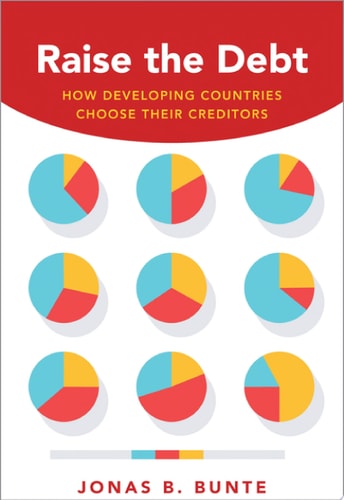
Credit Is The Lifeblood Of Capitalism And Development. Brazil, Russia, India, And China-also Called Brics-have Become Important Creditors To Developing Countries. However, How Will Their Loans Affect Economic Development And Democracy In Recipient Countries? We Need To Understand Why Governments Accept Chinese Over Western Loan Offers Before We Can Predict Their Likely Consequences. In Raise The Debt, Jonas B. Bunte Systematically Explains How Governments Choose Among Competing Loan Offers. Using Statistical Analyses And Extensive Interview Data, He Shows That The Strings Attached To Loans Vary Across Creditors. Consequently, One Domestic Interest Group May Benefit From Chinese Credit But Not U.s. Loans, While The Opposite Is The Case For Other Groups. Bunte Provides Evidence That Governments Cater To Whichever Domestic Interest Group Is Politically Dominant When Deciding Between Competing Loan Offers. Combining A Comparative Politics Approach With International Political Economy Methods, Raise The Debt Shows How A Deeper Understanding Of Governments' Borrowing Decisions Is Critical For Gaining Insights Into How These Loans Could Impact Growth And Democracy On A Global Scale.
Menrva's Summary
THE THESIS
How do governments decide between competing loan offers from diverse international creditors, and what are the political implications of these choices? Jonas B. Bunte, a scholar of international political economy, investigates the decision-making processes of developing nations when selecting between Western and BRICS-based credit. By analyzing the intersection of domestic political interests and international financial options, Bunte argues that governments prioritize the preferences of their most politically dominant domestic interest groups when securing loans.
THE SCOPE MAP
What You Will Find
- Statistical analysis of international lending patterns and government borrowing behavior.
- A comparative framework for evaluating loan conditions from Western versus BRICS creditors.
- Extensive interview data with policymakers and stakeholders involved in sovereign debt negotiations.
Scope Limits
- The study does not provide a comprehensive historical account of all global debt crises.
- It does not offer specific investment advice or financial forecasting for individual private investors.
THE AUTHORITY PERSPECTIVE
Experts in international political economy recognize this work as a rigorous examination of the domestic drivers behind sovereign borrowing. Readers frequently note the academic density of the prose, which is well-suited for researchers and students of global development.
Page Count:
400
Publication Date:
2019-01-01
Publisher:
Oxford University Press
ISBN-10:
0190866187
ISBN-13:
9780190866181
Economics
Finance
International relations
Community Tags
Similar Books