Memoirs of a Survivor
0
0
As an Amazon Associate and affiliate partner, Menrva Books earns from qualifying purchases. Learn more
Author Description
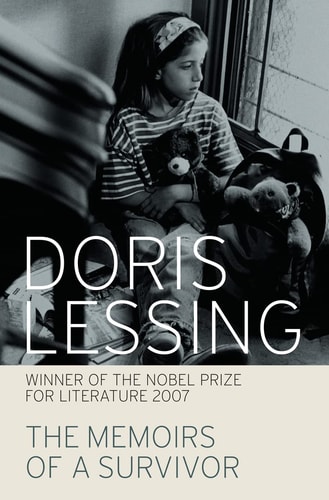
A compelling vision of a disorietating and barbaric future from Doris Lessing. winner of the Nobel Prize for Literature.Many years in the future. city life has broken down. communications have failed and food supplies are dwindling.From her window a middle-aged woman - our narrator - watches things fall apart and records what she witnesses: hordes of people migrating to the countryside. gangs of children roaming the streets.One day. a young girl. Emily. is brought to her house by a stranger and left in her care.A strange. precocious adolescent. drawn to the tribal streetlife and its barbaric rituals. she is unafraid of the harsh world outside. while our narrator retreats into her hidden world where reality fades and the past is revisited...
Menrva's Summary
THE PULSE
As society collapses into a state of lawless fragmentation, a middle-aged woman struggles to maintain her sanity while caring for a young girl in a decaying urban environment. The narrator observes the disintegration of civilization from her window, documenting the migration of desperate crowds and the emergence of feral youth gangs. Her objective shifts from mere survival to the protection of Emily, a precocious adolescent who is simultaneously drawn to the brutal street culture and the narrator's domestic refuge. The narrative framework oscillates between the harsh, crumbling reality of the city and the narrator's internal, dreamlike visions of the past, creating a dual-layered experience of existence.
INSIDE THE PAGES
- First-person perspective focusing on internal psychological shifts
- Non-linear narrative structure blending memory and present-day observation
- Exploration of societal collapse through the lens of domestic isolation
- Symbolic representation of the transition from childhood to adulthood
- Use of surreal, dream-like sequences to contrast with the gritty reality
- Examination of the breakdown of communication and social order
- Focus on the relationship between the protector and the ward
- Atmospheric depiction of urban decay and environmental scarcity
THE COLLECTIVE ECHO
This work is often analyzed for its haunting portrayal of societal disintegration and the psychological toll of living through a systemic collapse. Critics frequently highlight the stark contrast between the external chaos of the city and the internal, often surreal, landscape of the narrator's mind. The novel is regarded as a significant contribution to dystopian literature, noted for its focus on the domestic sphere rather than grand political movements. Readers often find the ambiguity of the narrator's visions to be a central point of discussion, as they challenge the boundaries between memory and reality. The text remains a subject of study for its exploration of human resilience and the fragility of social structures.
Page Count:
192
Publication Date:
1995-07-24
Publisher:
HarperCollins UK
ISBN-10:
0006493254
ISBN-13:
9780006493259
Science Fiction
Dystopian
Literary Fiction
Post-Apocalyptic
English fiction
Modern fiction
Fiction
Psychological
Community Tags
Similar Books