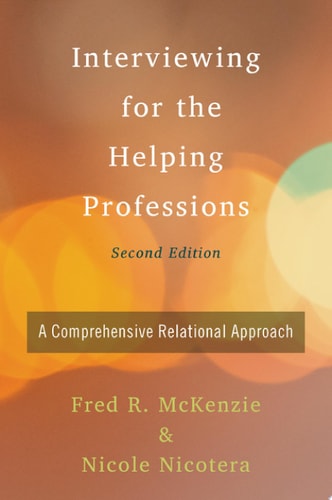
Interviewing For The Helping Professions
0
0
As an Amazon Associate and affiliate partner, Menrva Books earns from qualifying purchases. Learn more
Author Description
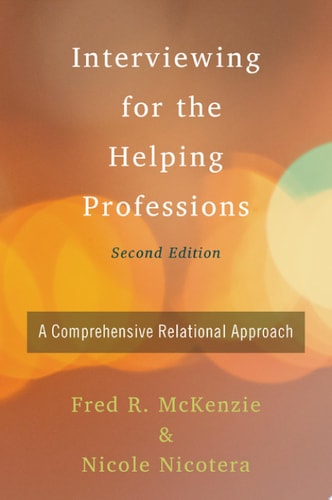
A Successful Professional Interview Depends On The Development Of A Generally Positive Human Interaction. Without A Positive Base, The Interview Can Be Fraught With Difficulties And Roadblocks. This Is True Regardless Of The Discipline, Be It Social Work, Psychology, Human Services, Nursing, Criminal Justice, Medicine, Psychiatry, Or Any Other Field. Beginning Interviewers May Have Learned Solid Technique, But Often Are Initially Focused More On Thinking About What They Will Say Next Than On Understanding Or Even Listening To The Client. As A Result, That Critical Initial Interview -- Whose Success Affects The Future Of Most Professional Encounters -- Is Often Disrupted By A Failure To Truly Listen And Understand, Which Is The Foundation For Earning Clients' Trust. This Second Edition Goes Beyond Most Other Clinical Interviewing Books In Its Emphasis On The Emotional Foundation Of Interviewing And Its Focus On The Importance Of Social Justice And Attention To The Problem Of Microaggressions That Can Prohibit Building And Maintaining Therapeutic Rapport With Clients. Interviewing For The Helping Professions Can Help Both The Beginning Professional And The Veteran Interviewer Understand The Nature And Purpose, Technique, Meaning, Emotions, And Outcomes Of The Interviewing Process. The Book Also Provides A Comprehensive Overview Of The Theory And Technique So Crucial To Meaningful Interviewing. More Important, It Emphasizes The Emotional Significance Of The Interaction And Grounds The Interviewing Process In Contemporary Theories Of Practice And Social Justice.
Menrva's Summary
THE THESIS
This text investigates the core question of how practitioners across the helping professions can establish and maintain effective, trust-based therapeutic rapport through intentional listening and emotional awareness. The authors, Fred R. McKenzie and Nicole Nicotera, draw upon contemporary clinical theories and social justice frameworks to argue that technical proficiency is insufficient without a foundation of genuine human connection. By addressing the psychological barriers that impede active listening, the book provides a structured approach for both novice and experienced professionals to navigate the complexities of the initial interview.
THE SCOPE MAP
What You Will Find
- Theoretical frameworks for clinical interviewing across diverse disciplines including social work, nursing, and psychology.
- Methodologies for identifying and mitigating microaggressions in professional settings.
- Techniques for prioritizing client-centered emotional engagement over scripted responses.
Scope Limits
- The text does not provide discipline-specific diagnostic manuals or clinical treatment protocols.
- It does not cover administrative or legal documentation requirements beyond the scope of the interview interaction.
THE AUTHORITY PERSPECTIVE
Experts and educators frequently cite this text as a foundational resource for students entering the helping professions due to its emphasis on the emotional and social justice dimensions of practice. Readers often note that the prose is accessible yet academically rigorous, making it a standard reference for those looking to refine their interpersonal communication skills in clinical environments.
Page Count:
320
Publication Date:
2018-01-01
Publisher:
Oxford University Press
ISBN-10:
0190876859
ISBN-13:
9780190876852
Psychology
Professional Development
Social Work
Human services
Counseling
Communication Skills
Community Tags
Similar Books