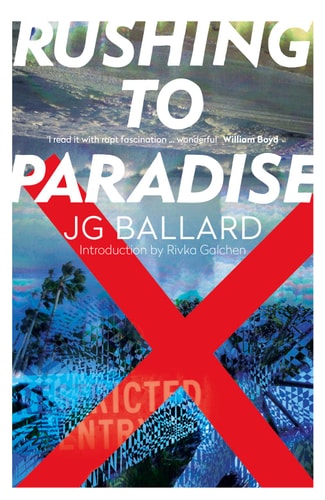
Rushing to Paradise
0
0
As an Amazon Associate and affiliate partner, Menrva Books earns from qualifying purchases. Learn more
Author Description
J.G. Ballard -- author of 'Crash' and 'Empire of the Sun' -- explores the dangers of extremism in ecology and feminism in this highly acclaimed modern fable. Veteran campaigner Dr Barbara Rafferty's obsessive crusade to save the albatross on the Pacific atoll of Saint-Esprit suddenly gains international support when millions of TV viewers witness the shooting of her young acolyte Neil Dempsey on a foolhardy rescue mission. The coverage that results allows Dr Barbara to turn the deserted island into a sanctuary. It becomes a remote paradise home for Neil, an odd team of eco-enthusiasts and idealists and a growing collection of the world's endangered species, sent there to find protection from extinction. However, as Dr Barbara isolates the residents more and more from the world outside it becomes clear that all on the island is not right. As the men begin to sicken while the women flourish, Neil is forced to question why he remains healthy, and will this change when a new man arrives? Brilliantly unsettling in classic 'Ballardian' style, this is a novel in which all expectations are upset and all roles reversed.
Menrva's Summary
THE PULSE
A radical environmentalist's crusade to save an endangered species transforms into a claustrophobic experiment in social isolation and gender-based power dynamics. Dr. Barbara Rafferty leverages a tragic media event to establish a sanctuary on the remote atoll of Saint-Esprit, gathering a group of idealistic followers to live in seclusion. As the island community detaches from the outside world, the internal social structure shifts into a disturbing hierarchy. The narrative, delivered with a clinical detachment, follows Neil Dempsey as he observes the physical and psychological deterioration of his peers and begins to suspect the true nature of their paradise.
INSIDE THE PAGES
- Exploration of extremist ideologies within environmental and feminist movements
- Use of an isolated island setting to facilitate a controlled social experiment
- Examination of gender-based power dynamics and biological manipulation
- Satirical critique of media influence and the spectacle of modern activism
- Deployment of the 'Ballardian' style, characterized by cool, detached prose
- Focus on the psychological breakdown of a closed community
- Subversion of traditional utopian tropes and expectations
- Non-linear progression of the island's descent into dysfunction
THE COLLECTIVE ECHO
This novel is frequently analyzed as a quintessential example of the author's preoccupation with the intersection of technology, environment, and human pathology. Critics often highlight the work's unsettling atmosphere, noting how it mirrors the author's earlier explorations of societal collapse and the fragility of human constructs. The text is recognized for its refusal to provide easy moral answers, instead forcing the reader to confront the darker impulses hidden beneath idealistic rhetoric. The narrative's cold, precise tone serves to heighten the sense of unease as the utopian premise systematically unravels into a nightmare of control and isolation.
Page Count:
240
Publication Date:
2001-01-01
Publisher:
Flamingo
ISBN-10:
0006548148
ISBN-13:
9780006548140
Fiction
Contemporary
Dystopian
Satire
Psychological
Fiction
Modern fiction
Community Tags
Similar Books