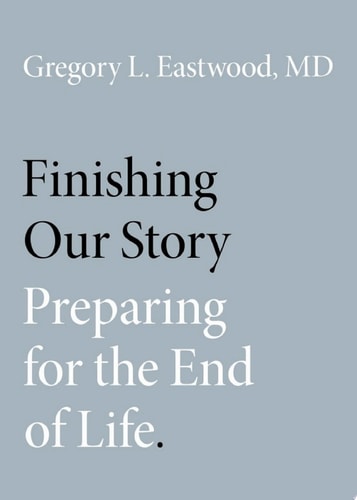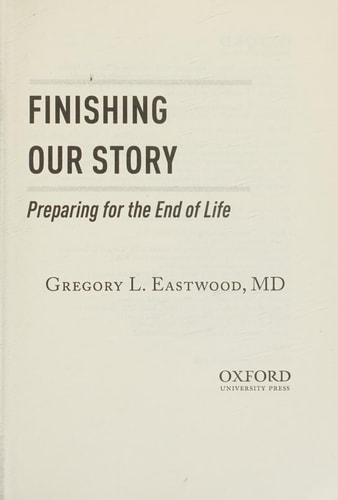
Finishing Our Story: Preparing for the End of Life
0
0
As an Amazon Associate and affiliate partner, Menrva Books earns from qualifying purchases. Learn more
Author Description
Death is the destiny we all share, and this will not change. Yet the way we die, which had remained the same for many generations, has changed drastically in a relatively short time for those in developed countries with access to healthcare. For generations, if people were lucky enough to reach old age, not having died in infancy or childhood, in childbirth, in war, or by accident, they would take to bed, surrounded by loved ones who cared for them, and fade into death. Most likely, they would have seen their parents and grandparents die the same way, and so this manner of dying would be familiar: it was part of the natural cycle of life.Now less than 25 per cent of Americans die at home, having reached much older ages than people would have dreamed of in past generations, often after surviving many illnesses and even diseases that would have been terminal for their grandparents. We are fortunate to live (and die) today, supported by myriad scientific, medical, and technological advancements, however we also face new problems as a result of the new way in which we die. We can no longer anticipate a peaceful waning at home with family. We know our lives will likely end in hospitals likely after we have endured grueling treatments to prolong life. We have to decide what decisions we want our loved ones, or care-givers, to make when we cannot choose for ourselves. We have to think about whether in any circumstances we would seek physician-assisted death. We know we face other questions as well, but we may not even know where to start.In the face of these decisions, we can feel daunted and afraid. The best remedy is information and planning. In this book, Gregory Eastwood - a physician who has cared for dying patients, served as an ethics consultant, and taught end of life issues to medical and other health profession students - draws from his substantial experience with patients and families to provide the information that will help us think clearly about the choices a
Menrva's Summary
THE THESIS
How can individuals navigate the complex medical, ethical, and personal decisions surrounding the end of life in an era of advanced healthcare? Dr. Gregory L. Eastwood, a physician and ethics consultant, utilizes his extensive clinical experience to address the shift from natural, home-based death to the modern, hospital-centered experience. He provides a structured framework for readers to evaluate their own preferences regarding medical interventions, care-giving, and physician-assisted options to ensure their final stages of life align with their personal values.
THE SCOPE MAP
What You Will Find
- Analysis of the historical shift in mortality patterns in developed nations.
- Guidance on navigating hospital-based end-of-life care and medical decision-making.
- Ethical frameworks for considering physician-assisted death and advanced directives.
- Practical advice for communicating end-of-life wishes to family members and caregivers.
Scope Limits
- The text does not provide legal advice or specific state-by-state legislative statutes regarding advance directives.
- It does not offer theological or religious counseling for the grieving process.
THE AUTHORITY PERSPECTIVE
Experts and readers frequently note that the book serves as a compassionate, clear-eyed resource for those facing the daunting reality of terminal illness or aging. It is widely regarded as a practical manual that bridges the gap between clinical medical ethics and the personal needs of patients and their families.
Page Count:
152
Publication Date:
2019-03-01
Publisher:
Oxford University Press
ISBN-10:
0190888083
ISBN-13:
9780190888084
Health
Non-Fiction
Death & dying
Medicine
Moral and ethical aspects
Ethics
End of Life
Terminal Care
Community Tags
Similar Books