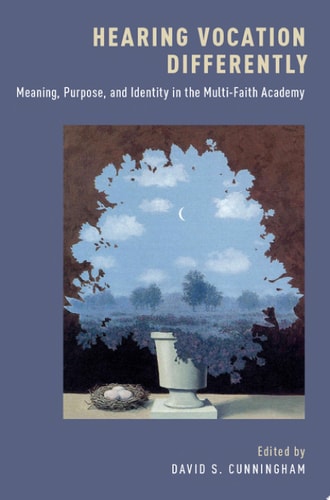
Hearing Vocation Differently
0
0
As an Amazon Associate and affiliate partner, Menrva Books earns from qualifying purchases. Learn more
Author Description
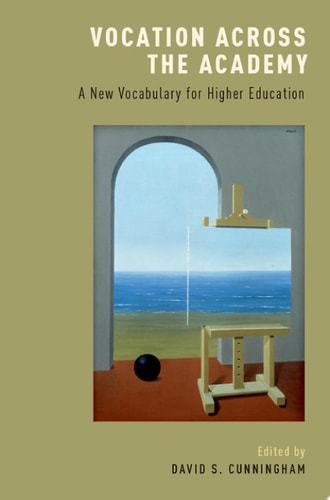
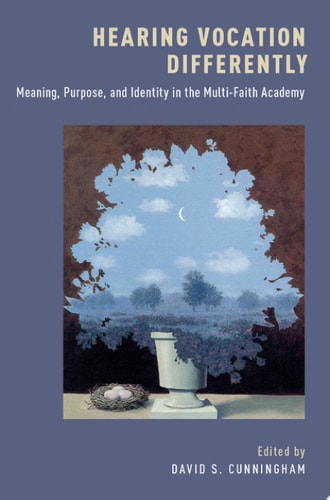
Many Colleges And Universities Have Begun Using The Language Of Vocation And Calling To Help Undergraduates Think About The Future Direction Of Their Lives. This Language Is Used In Both Secular And Religious Contexts, But It Has Deep Roots In The Christian Theological Tradition. Given The Increasingly Multi-faith Context Of Undergraduate Life, Many Have Asked Whether This Terminology Can Truly Serve As A New Vocabulary For Higher Education. If Vocation Is To Find A Foothold In The Contemporary Context, It Will Need To Be Re-examined, Re-thought, And Re-written; In Short, Higher Education Will Need To Undertake The Project Of Hearing Vocation Differently. In This Third Volume On Vocation From Editor David S. Cunningham, The Thirteen Contributing Scholars Identify With A Wide Variety Of Religious Traditions, Including Buddhism, Christianity, Hinduism, Islam, Judaism, And Sikhism. Some Contributors Identify With More Than One Of These; Others Would Claim None Of Them. The Authors Met On Multiple Occasions To Read Common Texts, To Discuss Agreements And Differences, And To Respond To One Another's Writing; Some Of These Responses Are Included At The End Of Each Chapter. Both Individually And Collectively, These Contributors Expand The Range Of Vocational Reflection And Discernment Well Beyond Its Traditional Christian Origins. The Authors Observe That All Undergraduate Students--regardless Of Their Academic Field, Religious Background, Or Demographic Identity-need To Make Space For Reflection, To Overcome Obstacles To Discernment, And To Consider The Significance Of Their Own Narratives, Beliefs, And Practices. This, In Turn, Will Require College Campuses To Re-imagine Their Curricular And Co-curricular Programming In Order To Support Their Students's Reflection On Issues Of Meaning, Purpose, And Identity.
Menrva's Summary
THE THESIS
Can the concept of vocation, traditionally rooted in Christian theology, be adapted to serve as a meaningful framework for students in a diverse, multi-faith higher education environment? Editor David S. Cunningham, a scholar of theology and higher education, compiles essays from thirteen contributors representing a broad spectrum of religious and secular perspectives. The book argues that by re-examining the language of calling, colleges can better support students in navigating questions of purpose, identity, and meaning. The text utilizes a collaborative methodology, where contributors engaged in shared reading and peer response to synthesize their diverse viewpoints into a cohesive academic inquiry.
THE SCOPE MAP
What You Will Find
- Comparative analysis of vocational concepts across Buddhism, Christianity, Hinduism, Islam, Judaism, and Sikhism.
- Pedagogical frameworks for integrating reflection into curricular and co-curricular programming.
- Peer-reviewed responses included at the end of each chapter to demonstrate interdisciplinary dialogue.
Scope Limits
- The text focuses primarily on the undergraduate experience within the North American higher education system.
- It does not provide a singular, universal definition of vocation, but rather a pluralistic exploration of the term.
THE AUTHORITY PERSPECTIVE
Experts in higher education administration and religious studies identify this work as a significant contribution to the ongoing discourse on student development and institutional mission. Readers frequently note the academic density of the prose and the value of the inter-religious dialogue presented by the contributors.
Page Count:
368
Publication Date:
2018-01-01
Publisher:
Oxford University Press
ISBN-10:
0190888687
ISBN-13:
9780190888688
Philosophy
Theology
Higher Education
Community Tags
Similar Books