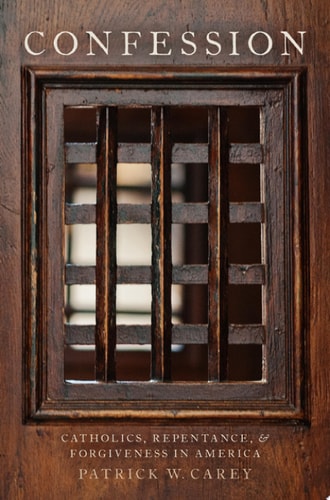
Confession
0
0
As an Amazon Associate and affiliate partner, Menrva Books earns from qualifying purchases. Learn more
Author Description
Confession Is A History Of Penance As A Virtue And A Sacrament In The United States From About 1634, When Catholicism Arrived In Maryland, To 2015, Fifty Years After The Major Theological And Disciplinary Changes Initiated By The Second Vatican Council. Patrick W. Carey Argues That The Catholic Theology And Practice Of Penance, So Much Opposed By The Inheritors Of The Protestant Reformation, Kept Alive The Biblical Penitential Language In The United States At Least Until The Mid-1960s When Catholic Penitential Discipline Changed. During The Nineteenth And Early Twentieth Centuries, American Catholics Created Institutions That Emphasized, In Opposition To Protestant Culture, Confession To A Priest As The Normal And Almost Exclusive Means Of Obtaining Forgiveness. Preaching, Teaching, Catechesis, And Parish Revival-type Missions Stressed Sacramental Confession And The Practice Became A Widespread Routine In American Catholic Life. After The Second Vatican Council, The Practice Of Sacramental Confession Declined Suddenly. The Post-vatican Ii History Of Penance, Influenced By The Council's Reforms And By Changing American Moral And Cultural Values, Reveals A Major Shift In Penitential Theology; Moving From An Emphasis On Confession To Emphasis On Reconciliation. Catholics Make Up About A Quarter Of The American Population, And Thus Changes In The Practice Of Penance Had An Impact On The Wider Society. In The Fifty Years Since The Council, Penitential Language Has Been Overshadowed Increasingly By The Language Of Conflict And Controversy. In Today's Social And Political Climate, Confession May Help Americans Understand How Far Their Society Has Departed From The Penitential Language Of The Earlier American Tradition, And Consider The Advantages And Disadvantages Of Such A Departure.
Menrva's Summary
THE THESIS
This book investigates the historical evolution of penance as both a virtue and a sacrament within the United States from 1634 to 2015. Patrick W. Carey, a scholar of American Catholic history, utilizes theological records, institutional archives, and cultural analysis to argue that the practice of sacramental confession served as a defining feature of American Catholic identity until the mid-1960s. He posits that the shift from a focus on individual confession to communal reconciliation reflects broader changes in American moral and cultural values following the Second Vatican Council.
THE SCOPE MAP
What You Will Find
- A chronological examination of Catholic penitential practices from the colonial era to the post-Vatican II period.
- Analysis of how parish missions, catechesis, and preaching reinforced the sacrament of confession.
- Comparison between Catholic penitential traditions and the cultural influence of the Protestant Reformation.
- Discussion of the transition from the language of confession to the language of reconciliation.
Scope Limits
- The study focuses primarily on the American Catholic experience and does not provide a global history of the sacrament.
- The text does not offer a prescriptive guide for modern pastoral practice but remains an analytical historical account.
THE AUTHORITY PERSPECTIVE
Experts recognize this work as a comprehensive historical survey of American Catholic penitential discipline. Readers frequently note the academic rigor and the detailed archival research that supports Carey's analysis of the post-Vatican II decline in confession.
Page Count:
400
Publication Date:
2018-01-01
Publisher:
Oxford University Press
ISBN-10:
0190889144
ISBN-13:
9780190889142
History
Religion
Sociology of Religion
American History
Theology
Catholicism
Community Tags
Similar Books