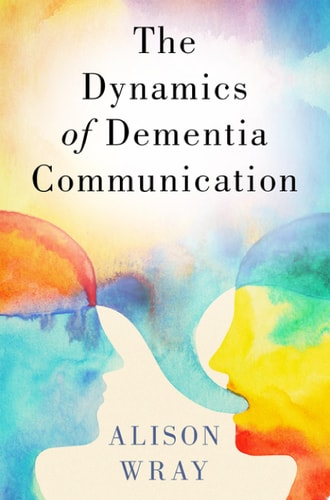
The Dynamics of Dementia Communication
0
0
As an Amazon Associate and affiliate partner, Menrva Books earns from qualifying purchases. Learn more
Author Description
WINNER of the 2021 British Association for Applied Linguistics Book prize It is well recognized that when people are living with a dementia, effective communication can be a challenge for both them and those they interact with. Despite a plethora of good advice, it can be surprisingly hard to sustain constructive communicative behaviours and to integrate them successfully into routine daily care and interaction. The Dynamics of Dementia Communication asks why that is. What is it about communication, as a human social and cognitive practice, that makes it so difficult to manage the disruptions caused by dementia? Why is it so common to feel awkward, confused or irritated when talking with a person living with a dementia? Why is the experience of living with a dementia so personally and socially devastating? What approaches to communication would work best, and why? To answer these questions, the book integrates information from a wide range of different sources, covering the biological, social, and emotional factors associated with the dementia experience. New concepts and theoretical perspectives offer novel ways of thinking about the challenges of communication generally, and in the context of dementia. Topics explored include whether it is acceptable to deceive people living with a dementia and why society's failure to support people living with a dementia and their carers is so devastating. The final chapter suggests what people living with a dementia need if communication is to promote and protect everyone's well-being. By providing a deeper understanding of what topples the best-intentioned attempts at interaction, and by explaining why poor communication affects everyone involved, this book sets new agendas for improving the welfare of people living with a dementia, their families, and professional carers.
Menrva's Summary
THE THESIS
This book investigates the underlying cognitive and social mechanisms that render communication with individuals living with dementia persistently challenging despite the availability of standard care advice. Author Alison Wray, a professor of language and communication, utilizes a multidisciplinary framework to analyze why well-intentioned interactions often fail. By synthesizing biological, social, and emotional data, the text argues that current communicative difficulties stem from fundamental human cognitive practices that are disrupted by the dementia experience.
THE SCOPE MAP
What You Will Find
- Analysis of the cognitive and social barriers to effective interaction in dementia care.
- Theoretical perspectives on the ethics of deception in caregiving environments.
- Examination of the societal structures that impact the well-being of people living with dementia and their caregivers.
- New conceptual frameworks for understanding communicative disruption.
Scope Limits
- The text does not provide a clinical manual or a step-by-step guide for medical diagnosis.
- It does not focus on pharmacological interventions for dementia symptoms.
THE AUTHORITY PERSPECTIVE
Experts and academics recognize this work as a significant contribution to applied linguistics and gerontology, noting its success in bridging the gap between theoretical communication studies and practical caregiving challenges. Readers frequently highlight the book's ability to provide a rigorous, evidence-based explanation for the emotional and social complexities inherent in dementia communication.
Page Count:
352
Publication Date:
2020-01-01
Publisher:
Oxford University Press
ISBN-10:
0190917822
ISBN-13:
9780190917821
Psychology
Health
English & College Success
Dementia
Human Disease
Communication Studies
Communications
Introduction to Human Communication
Dementia Care
Sociology
Linguistics
Gerontology
English
Communication
Community Tags
Similar Books