The Boy Who Harnessed the Wind
0
0
As an Amazon Associate and affiliate partner, Menrva Books earns from qualifying purchases. Learn more
Author Description
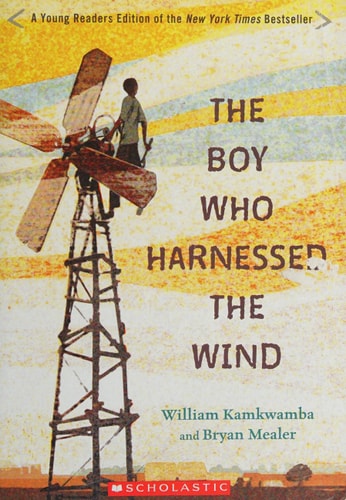
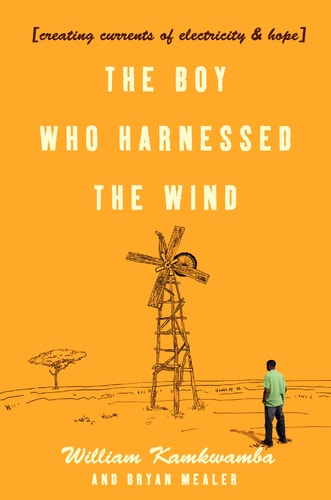
Malawi Is A Country Battling Aids, Drought And Famine, And In 2002, A Season Of Floods Followed By The Most Severe Famine In Fifty Years Brought It To Its Knees. William Kamkwamba's Family Were Farmers, And Relied On Their Maize Crop To Feed Them For The Year And Bring In Money By Selling The Surplus. But After Many Lean Years, Finally There Was No More. By Christmas 2001 They Were Running Out Of Food - With Months Before They Could Harvest Their Crop Again. At 14 Years Old, William Had Been Forced To Leave School As There Was No Money To Pay The Fees. Borrowing Library Books To Continue His Education, William Picked Up A Book In English About Energy, With A Picture Of A Wind Turbine On The Front Cover. Fascinated By Science And Electricity, William Decided To Build His Own. Ridiculed By Those Around Him, Exhausted From His Work In The Fields Every Day, Slowly He Built It With Scrap Metal, Old Bicycle Parts And Wood From The Blue Gum Tree. It Has Changed The World In Which William And His Family Live. Only 2% Of Malawi Has Electricity; And The Windmill Now Powers Lightbulbs And A Radio At Their Compound, And He Has Built More Windmills For His School And Village. When News Of William's Invention Spread, People From Across The Globe Offered To Help Him. Soon He Was Re-enrolled In School And Travelling To America To Visit Wind Farms. This Is His Story - His Attempts To Teach Other Africans To Help Themselves, One Windmill, One Lightbulb, At A Time.
Menrva's Summary
THE THESIS
How can an individual with limited resources and formal education leverage scientific principles to overcome systemic poverty and environmental catastrophe? William Kamkwamba, writing with journalist Bryan Mealer, recounts his upbringing in rural Malawi during a period of extreme famine and economic collapse. The narrative documents his transition from a school-aged boy forced to drop out due to financial hardship to an amateur engineer who utilizes discarded scrap materials to construct a functional wind turbine. The text serves as both a personal memoir and a case study on the impact of grassroots innovation in regions lacking basic infrastructure.
THE SCOPE MAP
What You Will Find
- Detailed accounts of the 2002 Malawian famine and its impact on rural agricultural communities.
- The methodology of self-taught engineering using scavenged materials like bicycle parts and scrap metal.
- First-person perspective on the intersection of traditional farming life and modern technological application.
- The broader implications of energy access for rural development and education in sub-Saharan Africa.
THE AUTHORITY PERSPECTIVE
The work is widely regarded as a compelling testament to human ingenuity and the transformative power of education in the face of extreme adversity. Its straightforward, accessible prose provides a clear window into the logistical challenges of rural life in Malawi while highlighting the potential for individual action to catalyze community-wide change.
Page Count:
273
Publication Date:
2009-10-13
Publisher:
Harperluxe
ISBN-10:
0007316186
ISBN-13:
9780007316182
Science
Memoir
Non-Fiction
Biography
Inventors
Windmills
Technology
Inspirational
Africa
Water Supply