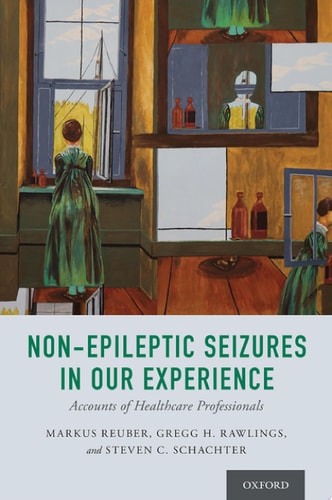
Non-epileptic Seizures In Our Experience: Accounts Of Health Care Professionals
0
0
As an Amazon Associate and affiliate partner, Menrva Books earns from qualifying purchases. Learn more
Author Description
To An Outside Observer, Psychogenic Non-epileptic Seizures (pnes) Look Like Epileptic Seizures. The Manifestations Of Pnes Include Collapses, Impaired Consciousness, And Seizure-related Injuries. However, Unlike Epileptic Seizures, Which Are The Result Of Abnormal Electrical Discharges In The Brain, Most Pnes Are An Automatic Psychological Response To A Trigger Perceived As Threatening. Not Least Because The Changes In The Brain That Underpin Pnes Cannot Be Visualised Easily With Clinical Tests (such As The Eeg), There Are Many Uncertainties And Controversies Surrounding The Condition. Patients Often Provoke A Mixture Of Emotions In Healthcare Professionals. In The Authors' Previous Book, In Our Words: Personal Accounts Of Living With Non-epileptic Seizures, Over 100 Individuals With Pnes And Their Family Wrote About Their Experiences With The Condition. While Some Had Positive Care Experiences, Many Were Left Feeling Confused, Angry, And Abandoned By The Clinicians They Had Encountered. Non-epileptic Seizures In Our Experience: Accounts Of Health Care Professionals Complements The Authors' Previous Book By Presenting The Perspectives Of Over 90 Members Of Different Healthcare Professions From Around The World. The Anonymous Publication Format Has Enabled Many Not Only To Share Success Stories But Also To Be Open About Difficulties And Failures. This Volume Will Be An Invaluable Resource For Both Highly Experienced Professionals As Well As Relative Novice And Those Experiencing Pnes. This Book Will Challenge Negative Attitudes Surrounding The Condition, Improve Understanding Between Healthcare Professionals And Patients, And - Ultimately - Advance The Quality Of Care Provided For Those With Pnes.
Menrva's Summary
THE THESIS
This book investigates the complex clinical and interpersonal challenges surrounding the diagnosis and treatment of psychogenic non-epileptic seizures (PNES) through the lens of healthcare provider experiences. Dr. Steven C. Schachter compiles a diverse collection of accounts from over 90 healthcare professionals worldwide to address the diagnostic uncertainties and emotional friction often associated with this condition. By providing a platform for anonymous reflection, the text aims to bridge the gap between clinical practice and patient needs, ultimately seeking to improve the quality of care for those affected by PNES.
THE SCOPE MAP
What You Will Find
- First-hand accounts from over 90 healthcare professionals across various disciplines.
- Candid discussions regarding clinical successes, diagnostic difficulties, and professional failures.
- Perspectives on the emotional impact of treating patients with non-epileptic seizures.
Scope Limits
- The text does not provide a clinical manual or diagnostic guide for treating PNES.
- It does not focus on the neurological mechanisms of epilepsy, but rather the psychological and behavioral aspects of PNES.
THE AUTHORITY PERSPECTIVE
Experts and clinicians recognize this work as a vital companion to patient-centered literature, providing a rare, honest look at the provider-patient dynamic. Readers frequently note that the inclusion of anonymous, candid reflections makes this an accessible yet profound resource for both seasoned specialists and those new to the field.
Page Count:
296
Publication Date:
2020-01-01
Publisher:
Oxford University Press
ISBN-10:
0190927763
ISBN-13:
9780190927769
Psychology
Medical
Mental Health
Neurology
Community Tags
Similar Books