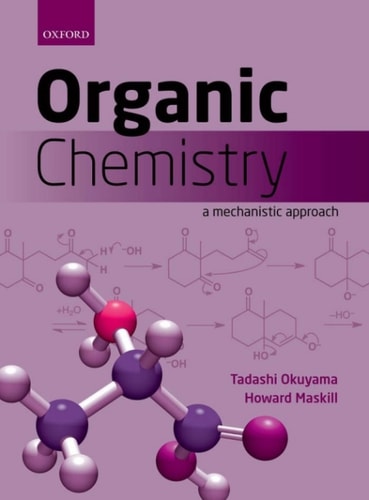
Organic Chemistry: A Mechanistic Approach
0
0
As an Amazon Associate and affiliate partner, Menrva Books earns from qualifying purchases. Learn more
Author Description
Organic Chemistry: A mechanistic approach provides readers with a concise review of the essential concepts underpinning the subject. It combines a focus on core topics and themes with a mechanistic approach to the explanation of the reactions it describes, making it ideal for those looking for a solid understanding of the central themes of organic chemistry. Opening with a review of chemical bonding and molecular shape and structure, the book then introduces the principal groups of organic compound before exploring the range of reactions they undergo. It retains an emphasis throughout on how and why organic compounds behave in the way they do, with a chapter on how mechanisms are investigated and the closing chapter describing the principal methods by which the structure and composition of organic compounds are studied. With an understanding of organic chemistry being central to the study and practice of a range of disciplines, Organic Chemistry is the ideal resource for those studying a one- or two-semester organic chemistry course as part of a broader programme of study in the physical and life sciences. Online Resource Centre: For registered adopters of the book: -Figures from the book in electronic format -Answers to end-of-chapter problems -Examples of organic synthesis reactions, related to topics covered in the book, for use in teaching -Additional problems (with answers), to augment those included in the book For students: -Answers to in-chapter exercises -3D-rotatable models of numerous compounds featured in the book -Multiple-choice questions for each chapter, to help students check their understanding of topics they have learned
Menrva's Summary
THE THESIS
This text investigates the core question of how organic chemical reactions function by prioritizing mechanistic explanations over rote memorization. Authors Howard Maskill and Tadashi Okuyama, both established academics in the field, utilize a structured pedagogical framework to connect fundamental chemical bonding principles with the reactive behavior of principal organic compound groups. The book argues that a deep comprehension of 'how' and 'why' compounds react is the most effective method for mastering the subject matter in physical and life science curricula.
THE SCOPE MAP
What You Will Find
- Comprehensive review of chemical bonding, molecular shape, and structure
- Systematic classification and reaction analysis of principal organic compound groups
- Methodology for investigating reaction mechanisms
- Analytical techniques for determining structure and composition
Scope Limits
- Advanced specialized topics beyond standard one- or two-semester undergraduate courses
- Extensive coverage of industrial chemical engineering processes
THE AUTHORITY PERSPECTIVE
Educators and students frequently highlight the text for its logical progression and focus on mechanistic clarity. It is widely regarded as a foundational resource for undergraduates seeking a rigorous introduction to the subject without excessive encyclopedic detail.
Page Count:
688
Publication Date:
2013-01-01
Publisher:
OUP Oxford
ISBN-10:
0191006408
ISBN-13:
9780191006401
Science
Academic
Chemistry
textbook
English & College Success
Earth Sciences
English
Organic chemistry
Community Tags
Similar Books