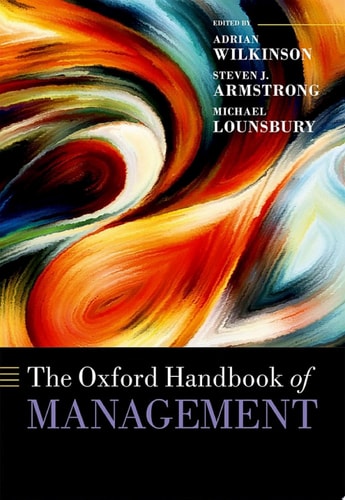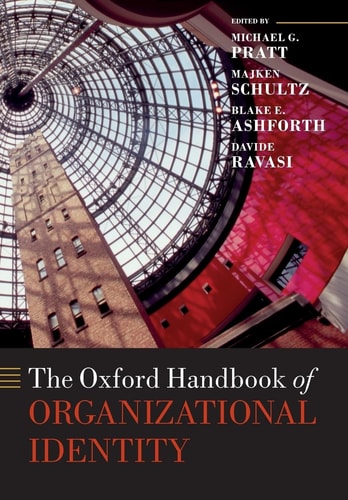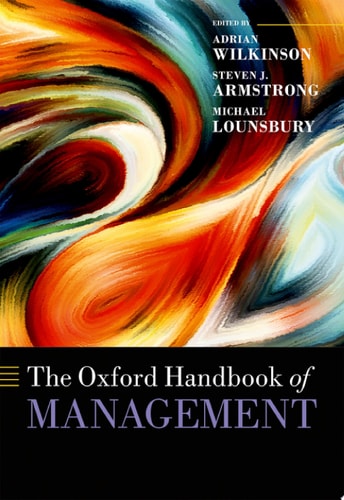
The Oxford Handbook of Management
0
0
As an Amazon Associate and affiliate partner, Menrva Books earns from qualifying purchases. Learn more
Author Description
Management, The Pursuit Of Objectives Through The Organization And Co-ordination Of People, Has Been And Is A Core Feature-and Function-of Modern Society. Some 'classic' Forms Of Corporate And Bureaucratic Management May Be Seen As The Prevalent Form Of Organization And Organizing In The 20th Century, But In The Post-fordist, Global, Knowledge-driven Contemporary World We Are Seeing Different Patterns, Principles, And Styles Of Management As Old Models Are Questioned. The Functions, Ideologies, Practices, And Theories Of Management Have Changed Over Time, As Recorded By Many Scholars, And May Vary According To Different Models Of Organization, And Between Different Cultures And Societies. Whilst The Administrative, Corporate, Or Factory Manager May Be A Figure On The Wane, Management As An Ethos, Organizing Principle, Culture, And Field Of Academic Teaching And Research Has Increased Dramatically In The Last Half Century, And Spread Throughout The World. The Purpose Of This Handbook Is To Analyse And Explore The Evolution Of Management; The Core Functions And How They May Have Changed; Its Position In The Culture/zeitgeist Of Modern Society; The Institutions And Ideologies That Support It; And Likely Challenges And Changes In The Future. This Book Looks At What Management Is, And How This May Change Over Time. It Provides An Overview Of Management - Its History, Development, Context, Changing Function In Organization And Society, Key Elements And Functions, And Contemporary And Future Challenges.
Menrva's Summary
THE THESIS
This handbook investigates the evolution, core functions, and shifting ideologies of management within the context of contemporary global society. The authors, Adrian Wilkinson, Michael Lounsbury, and Steven J. Armstrong, curate a comprehensive collection of scholarly contributions to examine how management has transitioned from 20th-century bureaucratic models to the knowledge-driven structures of the present. The text provides a rigorous framework for understanding management not merely as a corporate function, but as a pervasive cultural and organizational ethos.
THE SCOPE MAP
What You Will Find
- Historical analysis of management development and institutional evolution
- Examination of core management functions and their adaptation to post-Fordist environments
- Comparative perspectives on management across different cultures and societal models
- Theoretical discussions on the ideologies supporting modern organizational practices
Scope Limits
- Does not provide prescriptive 'how-to' guides for individual managers
- Focuses primarily on academic and theoretical discourse rather than specific industry case studies
THE AUTHORITY PERSPECTIVE
Experts recognize this volume as a foundational reference for scholars and advanced students of organizational behavior. Readers frequently note the academic density of the prose, which serves as a comprehensive survey of the field's current intellectual landscape.
Page Count:
750
Publication Date:
2017-01-01
Publisher:
Oxford University Press
ISBN-10:
0191018953
ISBN-13:
9780191018954
Business
Academic
Management
Reference
Organizational Theory