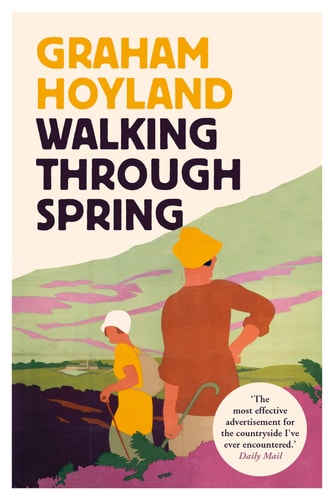
Walking Through Spring
0
0
As an Amazon Associate and affiliate partner, Menrva Books earns from qualifying purchases. Learn more
Author Description
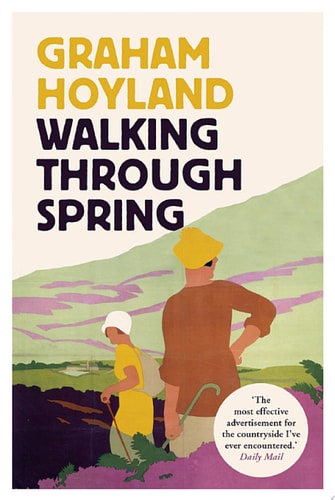
Walking Through Spring follows Graham Hoyland’s journey as he creates a new national trail, walking with the Spring from the south coast in March up to the border with Scotland, which he reaches on the longest day: the twenty-first of June.In Walking Through Spring Graham Hoyland walks north with Spring, from the South Coast to the Borders, tracing a new national trail. He connects a labyrinth of ancient footpaths, marking each mile by planting an acorn and drawing a path of oak trees that stretch through the English countryside.From dairy cows cantering and kicking their heels in lush meadows in the West Country, to galloping bands of lambs in the Peak District and secret green ways winding along canal tow-paths up the Derwent Valley, Hoyland draws inspiration from the vast literary landscape as he watches the season unfold across the country. Whether it is sailing a dinghy through the Lake District or taking in an otter’s point of view down the River Eden to the Scottish border, he finds himself engaging with some of England’s best nature writers, discovering the essence of the country and meeting England’s rural characters along the way.What does Spring mean? Is it really getting earlier every year? Away from the streams of gleaming cars and motorways, can Springtime help us reconnect with the old England of The Wildwood and Pan?
Menrva's Summary
THE THESIS
The book chronicles Graham Hoyland's ambitious endeavor to forge a new national trail by walking north with the arrival of spring. Hoyland embarks on a journey from the south coast in March, aiming to reach the Scottish border by the summer solstice on June 21st. Along his route, he connects ancient footpaths and plants acorns to mark a future path of oak trees. The narrative captures the unfolding season across England, from the West Country's meadows to the Peak District's hills and the tranquil Derwent Valley canals, drawing inspiration from literary traditions and observing rural life.
THE SCOPE MAP
- The creation of a new national trail by walking north with the spring season.
- The journey spans from the south coast of England to the border with Scotland.
- Planting acorns to mark a future path of oak trees across the countryside.
- Observations of diverse landscapes, including meadows, hills, and canal tow-paths.
- Inspiration drawn from England's literary landscape and nature writers.
- Encounters with rural characters and reflections on the essence of the English countryside.
- Exploration of themes related to the timing of spring and a connection to 'old England'.
THE AUTHORITY PERSPECTIVE
The book is presented as a personal account of a significant walking expedition, blending natural observation with literary and historical reflection. The narrative appears to focus on the sensory experience of the changing seasons and the exploration of England's rural heritage. The author's engagement with nature writing suggests a contemplative and appreciative tone towards the landscape and its inhabitants. The premise invites readers to consider themes of nature, tradition, and the passage of time within the English context.
Page Count:
384
Publication Date:
2017-01-01
Publisher:
William Collins
ISBN-10:
000815614X
ISBN-13:
9780008156145
Nature
Non-Fiction
Travel
History
Geography
Reference
Earth Sciences
Social History
Science
Europe
Sports & Recreation
Essays
Natural history
Animals
Wildlife
Plants
Wilderness
Mountaineering
Great Britain
Walking
Spring
Nature