Inquiry: Thoughts, Views, and Strategies for the K-5 Classroom
0
0
As an Amazon Associate and affiliate partner, Menrva Books earns from qualifying purchases. Learn more
Author Description
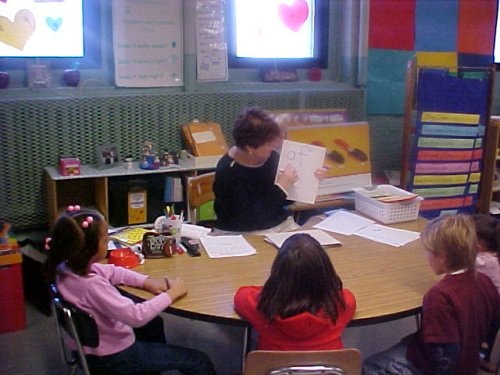
This book, designed for teachers and administrators of grades K to 5, explains the philosophy and practical applications of science inquiry in the classroom. Each chapter is an essay written by one ofa group of experts who have experienced and experimented with science inquiry learning. The authors suggest that the readers can use the book by reading it straight through, selecting specific articles of interest, or focusing on its lists and guides. The emphasis is on the complex challenges of science education reform, illustrated through the experiences of others and with examples drawn from exemplary programs around the nation. The book was produced by the National Science Foundation's Division of Elementary, Secondary and Informal Education (ESIE) in conjunction with the division of Research, Evaluation and Communication (REC) and the Center for Urban Science Education Reform (CUSER). Topics covered include the history and philosophy of inquiry in science, the challenges of teaching inquiry science, and issues related to the assessment of learning in the inquiry classroom. The book ends by exploring the importance of assessing our own state of knowledge. Samples of student work and black and white photographs are found throughout the book.
Menrva's Summary
THE THESIS
This monograph investigates the implementation of inquiry-based science education within K-5 classrooms to address the complexities of pedagogical reform. The text compiles essays from a diverse group of educational experts who analyze the philosophical foundations and practical challenges associated with shifting from traditional instruction to inquiry-centered learning environments. By synthesizing research and real-world program examples, the authors provide a framework for educators and administrators to evaluate and improve their science curricula.
THE SCOPE MAP
What You Will Find
- Historical and philosophical context of inquiry-based science instruction
- Practical strategies for managing inquiry-based classrooms
- Methodologies for assessing student learning and progress
- Case studies and examples from exemplary science programs
- Visual documentation including student work samples and photographs
Scope Limits
- Does not provide a standardized, step-by-step curriculum for all grade levels
- Focuses primarily on the K-5 educational environment rather than secondary or higher education
THE AUTHORITY PERSPECTIVE
Educators and administrators frequently cite this text as a foundational resource for understanding the systemic challenges of science education reform. Experts highlight the book's utility as both a comprehensive guide and a reference tool for specific pedagogical inquiries.
Page Count:
119
Publication Date:
2000-01-01
Publisher:
National Science Foundation
ISBN-10:
0191010774
ISBN-13:
9780191010774
Education
Science Education
Pedagogy
Schools & Teaching
Elementary Education
Professional Development
Community Tags
Similar Books