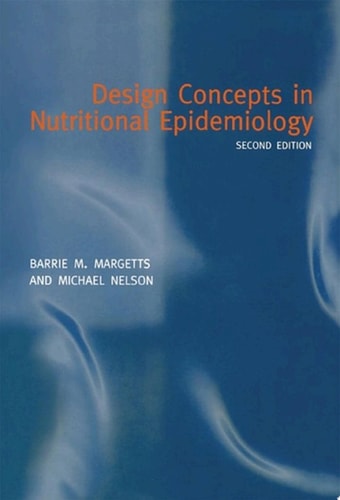
Design Concepts in Nutritional Epidemiology
0
0
As an Amazon Associate and affiliate partner, Menrva Books earns from qualifying purchases. Learn more
Author Description
In examining the relationship between nutritional exposure and disease aetiology, the importance of a carefully considered experimental design cannot be overstated. A sound experimental design involves the formulation of a clear research hypothesis and the identification of appropriate measures of exposure and outcome. It is essential that these variables can be measured with a minimum of error, whilst taking into account the effects of chance and bias, and being aware of the risk of confounding variables. The first edition of Design Concepts in Nutritional Epidemiology presented a throrough guide to research methods in nutritional epidemiology. Since publication of the 1st edition, we now have a much better understanding of the characteristics of nutritional exposure that need to be measured in order to answer questions about diet-disease relationships. The 2nd edition has been extensively revised to include the most up-to-date methods of researching this relationship. Included are new chapters on qualitative and sociological measures, anthropometric measures, gene-nutrient interactions, and cross-sectional studies. Design Concepts in Nutritional Epidemiology will be an essential text for nutritionists and epidemiologists, helping them in their quest to improve the quality of information upon which important public health decisions are made.
Menrva's Summary
THE THESIS
This text investigates the methodological requirements for establishing valid causal links between nutritional intake and disease etiology. Authors Barrie M. Margetts and Michael Nelson, both established experts in the field, provide a rigorous framework for researchers to formulate hypotheses and minimize error in dietary studies. The book argues that sound experimental design is the primary prerequisite for generating reliable data to inform public health policy.
THE SCOPE MAP
What You Will Find
- Methodologies for measuring nutritional exposure and health outcomes
- Strategies for mitigating bias, chance, and confounding variables
- New chapters on qualitative, sociological, and anthropometric measures
- Analysis of gene-nutrient interactions and cross-sectional study designs
Scope Limits
- The text focuses on research design rather than clinical dietary advice or nutritional biochemistry
- It assumes a foundational understanding of epidemiological principles and statistical analysis
THE AUTHORITY PERSPECTIVE
Experts and academics recognize this volume as a standard reference for professionals conducting dietary research. Readers frequently note the technical density of the prose, which is tailored specifically for nutritionists and epidemiologists working in research settings.
Page Count:
451
Publication Date:
1997-01-01
Publisher:
OUP Oxford
ISBN-10:
0191015636
ISBN-13:
9780191015632
Science
Nutrition
Epidemiology
Medical
Allied Health
Public Health
Community Tags
Other Editions(4)

Similar Books




Reader Comments
Share Your Thoughts
No comments yet. Be the first to share your thoughts!