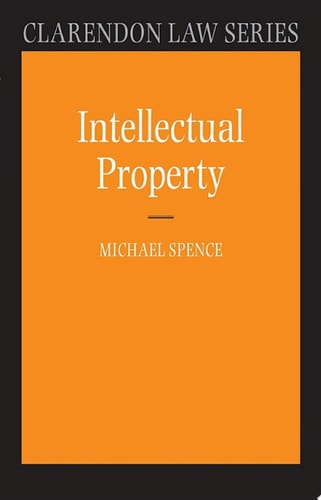
Intellectual Property
0
0
As an Amazon Associate and affiliate partner, Menrva Books earns from qualifying purchases. Learn more
Author Description
To offer a core concept of intellectual property, to consider various justifications for the recognition of intellectual property rights and to expound their operation in particular areas of activity is the purpose of this book. It is essential to examine both the concept of intellectual property and the reasons why a legal system might incorporate such a concept. We are increasingly told that the wealth of nations, consists in 'intangible assets'. These are the intangible products of human creativity, ingenuity and effort. It is frequently argued that these assets represent the future of the developed economies and that their adequate protection by the intellectual property regimes is essential to national, regional, and even global, prosperity. We are also told that the creators of such assets have a strong moral claim to them, and that developed legal systems should recognise this claim. This text examines the ethical issues and debates surrounding intellectual property law and focuses on three aspects of the major intellectual property regimes: subject matter; the allocation of the first ownership of rights; and the scope of protection. These three aspects of the major regimes provide readers with a strong sense of the shape and purpose of the most important intellectual property systems.
Menrva's Summary
THE THESIS
This book investigates the foundational concepts and ethical justifications underpinning intellectual property law within modern legal systems. Michael Spence, a legal scholar, examines why societies choose to protect intangible assets and how these protections influence national and global economic prosperity. The text provides a framework for understanding the moral claims of creators alongside the practical application of legal regimes in developed economies.
THE SCOPE MAP
What You Will Find
- Analysis of the ethical debates surrounding intellectual property rights
- Examination of subject matter definitions in major legal regimes
- Discussion on the allocation of initial ownership rights
- Evaluation of the scope of legal protection for intangible assets
Scope Limits
- Does not provide a comprehensive practitioner's guide to litigation
- Focuses primarily on conceptual and theoretical frameworks rather than specific jurisdictional statutes
THE AUTHORITY PERSPECTIVE
Experts frequently cite this work as a foundational text for students and scholars seeking to understand the philosophical underpinnings of intellectual property law. Readers often note the academic density of the prose, which prioritizes theoretical rigor over practical application.
Page Count:
334
Publication Date:
2007-01-01
Publisher:
OUP Oxford
ISBN-10:
0191018805
ISBN-13:
9780191018800
Economics
Professional Career & Trade
Legal Theory
Law
Intellectual Property
Academic