Ypres
0
0
As an Amazon Associate and affiliate partner, Menrva Books earns from qualifying purchases. Learn more
Author Description
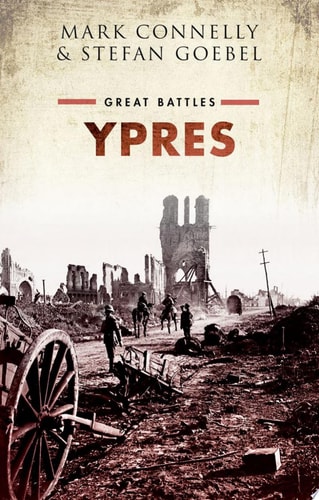
In 1914, Ypres Was A Sleepy Belgian City Admired For Its Magnificent Gothic Architecture. The Arrival Of The Rival Armies In October 1914 Transformed It Into A Place Known Throughout The World, Each Of The Combatants Associating The Place With It Its Own Particular Palette Of Values And Imagery. It Is Now At The Heart Of First World War Battlefield Tourism, With Much Of It's Economy Devoted To Serving The Interests Of Visitors From Across The World. The Surrounding Countryside Is Dominated By Memorials, Cemeteries, And Museums, Many Of Which Were Erected In The 1920s And 1930s, But The Number Of Which Are Being Constantly Added To As Fascination With The Region Increases. Mark Connelly And Stefan Goebel Explore The Ways In Which Ypres Has Been Understood And Interpreted By Britain And The Commonwealth, Belgium, France, And Germany, Including The Variants Developed By The Nazis, Looking At The Ways In Which Different Groups Have Struggled To Impose Their Own Narratives On The City And The Region Around It. They Explore The City's Growth As A Tourist Destination And Examine The Sometimes Tricky Relationship Between Local People And Battlefield Visitors, On The Spectrum Between Respectful Pilgrims And Tourists Seeking Shocks And Thrills. The Result Of New And Extensive Archival Research Across A Number Of Countries, This New Volume In The Great Battles Series Offers An Innovative Overview Of The Development Of A Critical Site Of Great War Memory.
Menrva's Summary
THE THESIS
This book investigates how the Belgian city of Ypres evolved from a medieval architectural site into a globally recognized focal point of First World War memory and battlefield tourism. Mark Connelly and Stefan Goebel, both established historians specializing in the cultural history of the Great War, utilize extensive archival research from multiple nations to analyze the competing narratives imposed upon the city. They argue that Ypres serves as a contested space where Britain, the Commonwealth, Belgium, France, and Germany have historically projected their own national values and wartime imagery.
THE SCOPE MAP
What You Will Find
- Comparative analysis of national memory narratives from Britain, France, Germany, and Belgium.
- Examination of the evolution of battlefield tourism from the 1920s to the present day.
- Historical study of the tension between local residents and international visitors.
Scope Limits
- The text focuses primarily on the cultural and commemorative legacy of the city rather than providing a tactical military history of the battles themselves.
THE AUTHORITY PERSPECTIVE
Experts recognize this work as a significant contribution to the field of memory studies and the cultural history of the Great War. Readers frequently note the academic rigor and the balanced approach the authors take when navigating the complex, often conflicting, national perspectives on the site.
Page Count:
288
Publication Date:
2018-01-01
Publisher:
Oxford University Press
ISBN-10:
0191022381
ISBN-13:
9780191022388
History
Military History
European History
World War
Tourism Studies
Community Tags
Similar Books