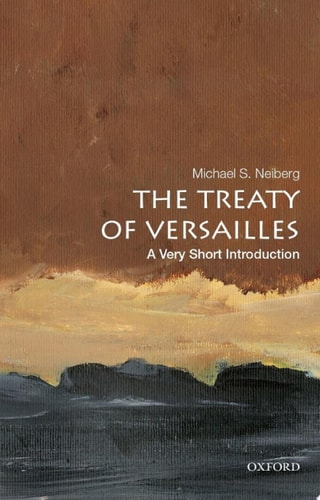
The Treaty of Versailles: A Very Short Introduction
0
0
As an Amazon Associate and affiliate partner, Menrva Books earns from qualifying purchases. Learn more
Author Description
Signed on June 28, 1919 between Germany and the principal Allied powers, the Treaty of Versailles formally ended World War I. Problematic from the very beginning, even its contemporaries saw the treaty as a mediocre compromise, creating a precarious order in Europe and abroad and destined to fall short of ensuring lasting peace. At the time, observers read the treaty through competing lenses: a desire for peace after five years of disastrous war, demands for vengeance against Germany, the uncertain future of colonialism, and, most alarmingly, the emerging threat of Bolshevism. A century after its signing, we can look back at how those developments evolved through the twentieth century, evaluating the treaty and its consequences with unprecedented depth of perspective.The author of several award-winning books, Michael S. Neiberg provides a lucid and authoritative account of the Treaty of Versailles, explaining the enormous challenges facing those who tried to put the world back together after the global destruction of the World War I. Rather than assessing winners and losers, this compelling book analyzes the many subtle factors that influenced the treaty and the dominant, at times ambiguous role of the "Big Four" leaders: Woodrow Wilson of the United States, David Lloyd George of Great Britain, Vittorio Emanuele Orlando of Italy, and Georges Clémenceau of France.The Treaty of Versailles was not solely responsible for the catastrophic war that crippled Europe and the world just two decades later, but it played a critical role. As Neiberg reminds us, to understand decolonization, World War II, the Cold War, and even the complex world we inhabit today, there is no better place to begin than with World War I and the treaty that tried, and perhaps failed, to end it.ABOUT THE SERIES: The Very Short Introductions series from Oxford University Press contains hundreds of titles in almost every subject area. These pocket-sized books are the perfect way to get ahead in a new s
Menrva's Summary
THE THESIS
This book investigates the complex diplomatic, social, and political factors that shaped the Treaty of Versailles and examines its role in the subsequent instability of the twentieth century. Michael S. Neiberg, a professor of history and expert on the First World War, utilizes primary source analysis and historical context to evaluate the treaty not merely as a failed peace agreement, but as a product of competing national interests and global anxieties. He argues that the treaty's shortcomings were rooted in the immense difficulty of reconciling the conflicting goals of the "Big Four" leaders in the wake of unprecedented global destruction.
THE SCOPE MAP
What You Will Find
- Analysis of the "Big Four" leaders: Wilson, Lloyd George, Orlando, and Clémenceau
- Examination of the geopolitical climate in 1919, including the rise of Bolshevism and colonial uncertainty
- Discussion of the treaty's long-term influence on World War II and the Cold War
Scope Limits
- Does not provide a comprehensive military history of World War I
- Does not offer an exhaustive biography of the individual negotiators
THE AUTHORITY PERSPECTIVE
Experts and readers frequently highlight this text as a concise and accessible entry point for understanding the complexities of post-WWI diplomacy. The prose is noted for its clarity, making it a standard recommendation for students and general readers seeking a focused historical overview.
Page Count:
143
Publication Date:
2019-01-01
Publisher:
Oxford University Press
ISBN-10:
0190645008
ISBN-13:
9780190645007
History
Diplomatic History
World War
European History
Military History
Community Tags
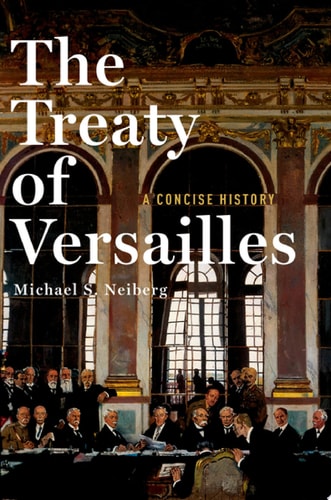
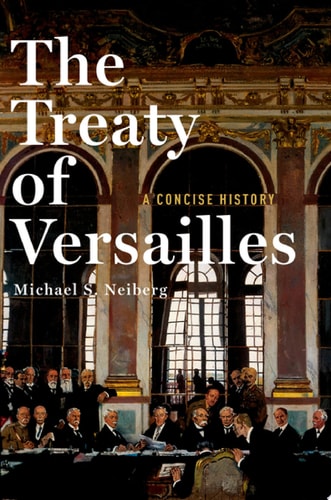
Other Editions(2)
Similar Books





Reader Comments
Share Your Thoughts
No comments yet. Be the first to share your thoughts!