Readers' Liberation
0
0
As an Amazon Associate and affiliate partner, Menrva Books earns from qualifying purchases. Learn more
Author Description
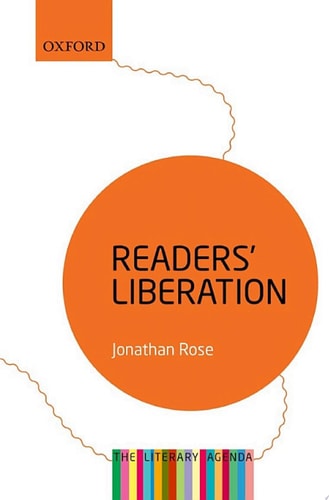
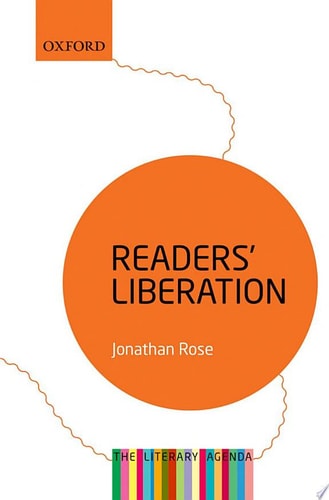
The Literary Agenda Is A Series Of Short Polemical Monographs About The Importance Of Literature And Of Reading In The Wider World And About The State Of Literary Education Inside Schools And Universities. The Category Of 'the Literary' Has Always Been Contentious. What Is Clear, However, Is How Increasingly It Is Dismissed Or Is Unrecognised As A Way Of Thinking Or An Arena For Thought. It Is Sceptically Challenged From Within, For Example, By The Sometimes Rival Claims Of Cultural History, Contextualized Explanation, Or Media Studies. It Is Shaken From Without By Even Greater Pressures: By Economic Exigency And The Severe Social Attitudes That Can Follow From It; By Technological Change That May Leave The Traditional Forms Of Serious Human Communication Looking Merely Antiquated. For Just These Reasons This Is The Right Time For Renewal, To Start Reinvigorated Work Into The Meaning And Value Of Literary Reading. For The Internet And Digitial Generation, The Most Basic Human Right Is The Freedom To Read. The Web Has Indeed Brought About A Rapid And Far-reaching Revolution In Reading, Making A Limitless Global Pool Of Literature And Information Available To Anyone With A Computer. At The Same Time, However, The Threats Of Censorship, Surveillance, And Mass Manipulation Through The Media Have Grown Apace. Some Of The Most Important Political Battles Of The Twenty-first Century Have Been Fought—and Will Be Fought—over The Right To Read. Will It Be Adequately Protected By Constitutional Guarantees And Freedom Of Information Laws? Or Will It Be Restricted By Very Wealthy Individuals And Very Powerful Institutions? And Given Increasingly Sophisticated Methods Of Publicity And Propaganda, How Much Of What We Read Can We Believe? This Book Surveys The History Of Independent Sceptical Reading, From Antiquity To The Present. It Tells The Stories Of Heroic Efforts At Self-education By Disadvantaged People In All Parts Of The World. It Analyzes Successful Reading Promotion Cam
Menrva's Summary
THE THESIS
How can the fundamental human right to read be protected against the dual threats of digital surveillance and institutional manipulation in the twenty-first century? Jonathan Rose, a historian of the book and intellectual culture, examines the historical trajectory of independent reading as a tool for self-liberation. He argues that while the internet has democratized access to information, it has simultaneously introduced unprecedented mechanisms for censorship and mass propaganda that require a renewed commitment to critical literacy.
THE SCOPE MAP
What You Will Find
- A historical survey of independent and skeptical reading practices from antiquity to the modern era.
- Case studies of self-education efforts among marginalized and disadvantaged populations globally.
- An analysis of the political and economic pressures currently threatening traditional forms of serious communication.
Scope Limits
- The text does not provide a technical manual for digital privacy or cybersecurity tools.
- It does not offer a comprehensive legal guide to specific international freedom of information statutes.
THE AUTHORITY PERSPECTIVE
Scholars and critics recognize this work as a significant contribution to the history of reading and the sociology of literature. Readers frequently note the accessible yet intellectually rigorous prose, which bridges the gap between academic history and contemporary political commentary.
Page Count:
208
Publication Date:
2018-01-01
Publisher:
Oxford University Press
ISBN-10:
0191035416
ISBN-13:
9780191035418
Politics
Non-Fiction
Sociology
Literary Criticism
Media Studies
History of Reading
Community Tags
Similar Books