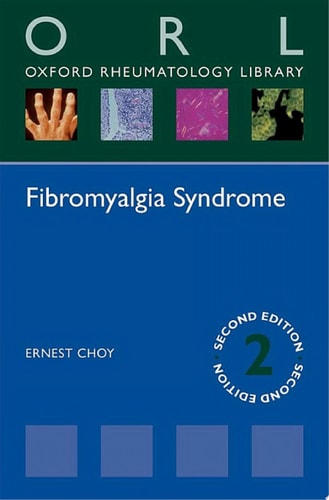
Fibromyalgia Syndrome
0
0
As an Amazon Associate and affiliate partner, Menrva Books earns from qualifying purchases. Learn more
Author Description
Part of the Oxford Rheumatology Library, the second edition of Fibromyalgia Syndrome provides a succinct and practical guide to help rheumatologists and general practitioners diagnose and manage patients with fibromyalgia syndrome. The emphasis throughout is on tailoring treatment to the individual patient, and considering a combination of education, non-pharmacological, and pharmacological treatments. This comprehensive approach improves symptoms and quality of life in all those treated for FMS, benefiting not only patients but also healthcare providers and society. Fibromyalgia syndrome (FMS) afflicts 2-5% of the population, more commonly females than males. It is characterised by chronic widespread pain, although fatigue, sleep disturbance, depression, anxiety, stiffness, and cognitive dysfunction are also common. National and international societies recognise the healthcare burden of FMS, and published recommendations and guidelines emphasise the importance of a positive diagnosis and management strategy to empower patients to cope with FMS. Now updated with new ACR criteria and additional international guidelines on the management of the syndrome, this pocketbook provides the reader with an essential understanding of the pathophysiology of pain in fibromyalgia, the different subtypes of fibromyalgia, and the pitfalls in diagnosis and management of this chronic condition.
Menrva's Summary
THE THESIS
How can clinicians effectively diagnose and manage the multifaceted symptoms of fibromyalgia syndrome within a primary care or rheumatology setting? Author Ernest Choy, a specialist in rheumatology, synthesizes clinical data and international guidelines to provide a structured framework for patient care. The text argues that a personalized, multimodal approach—integrating patient education with pharmacological and non-pharmacological interventions—is necessary to improve patient outcomes and reduce the societal burden of the condition.
THE SCOPE MAP
What You Will Find
- Updated American College of Rheumatology (ACR) diagnostic criteria
- Analysis of pain pathophysiology and fibromyalgia subtypes
- Clinical strategies for symptom management including sleep, fatigue, and cognitive dysfunction
- Guidance on navigating common diagnostic pitfalls
Scope Limits
- Does not provide exhaustive longitudinal patient case studies
- Does not cover experimental or unverified alternative therapies outside of standard rheumatological guidelines
THE AUTHORITY PERSPECTIVE
Medical professionals frequently cite this text as a practical, high-density reference for clinical practice. Experts highlight its utility as a concise, evidence-based manual for practitioners seeking to implement current international management standards.
Page Count:
71
Publication Date:
2015-01-01
Publisher:
OUP Oxford
ISBN-10:
0191034878
ISBN-13:
9780191034879
Health
Medical
Chronic Pain
Rheumatology
Allied Health
Fibromyalgia
Community Tags
Other Editions(5)


Similar Books




Reader Comments
Share Your Thoughts
No comments yet. Be the first to share your thoughts!