Selecting Europe's Judges
0
0
As an Amazon Associate and affiliate partner, Menrva Books earns from qualifying purchases. Learn more
Author Description
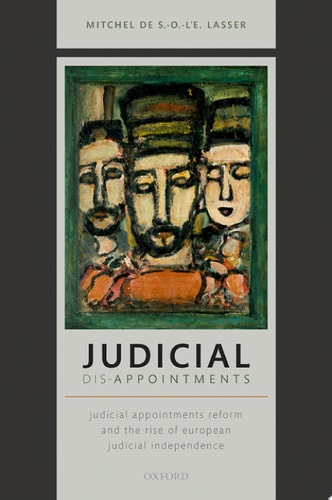
The Past Decade Has Witnessed Change In The Ways Judges For The Court Of Justice Of The European Union And The European Court Of Human Rights Are Selected. The Leitmotif Has Been Securing Greater Professional Quality Of The Judicial Candidates, And, For This Purpose, Both European Systems Have Put In Place Various Advisory Panels Or Selection Committees That Are Called To Evaluate The Aptitude Of The Candidates Put Forward By The National Governments. Are These Institutional Reforms Successful In Guaranteeing Greater Quality Of The Judicial Candidates? Do They Increase The Legitimacy Of The European Courts? Has The Creation Of These Advisory Panels In Any Way Altered The Institutional Balance, Either Horizontally Within The International Organisations, Or Vertically, Between The Respective Organisation And Its Member States? Above All, Has The Spree Of 'judicial Comitology' As Currently Practised A Good Way For Selecting Europe's Judges? These And A Number Of Other Questions Are Addressed In This Topical Volume In A Comparative And Interdisciplinary Prospective. The Book Is Structured Into Two Elements: First, How The Operation Of The New Selection Mechanisms Is Captured And Analyzed From Different Vantage Points, And Secondly, Having Mapped The Ground, The Book Critically And Comparatively Engages With Selected Common Themes, Examining The New Mechanisms With Respect To Values And Principles Such As Democracy, Judicial Independence, Transparency, Representativeness, And Legitimacy.
Menrva's Summary
THE THESIS
This volume investigates whether the implementation of advisory panels and selection committees has successfully improved the professional quality and legitimacy of judges appointed to the Court of Justice of the European Union and the European Court of Human Rights. Michal Bobek, a legal scholar with expertise in European judicial systems, synthesizes contributions from various experts to evaluate the impact of these institutional reforms. The text argues that the rise of 'judicial comitology' necessitates a critical examination of how selection mechanisms influence the balance of power between international organizations and their member states.
THE SCOPE MAP
What You Will Find
- Comparative analysis of selection mechanisms for the Court of Justice of the European Union and the European Court of Human Rights.
- Examination of institutional reforms regarding judicial appointments over the past decade.
- Discussion of democratic principles, judicial independence, transparency, and representativeness in judicial selection.
Scope Limits
- The analysis is restricted to the specific selection processes of the two mentioned European courts.
- The text does not provide a comprehensive history of judicial appointments prior to the last decade.
THE AUTHORITY PERSPECTIVE
Legal scholars and practitioners view this work as a critical examination of the evolving standards for international judicial appointments. Readers frequently note the academic density of the prose, which serves as a foundational resource for understanding the intersection of European law and institutional governance.
Page Count:
370
Publication Date:
2015-01-01
Publisher:
Oup Oxford
ISBN-10:
0191043613
ISBN-13:
9780191043611
International relations
Law
European Law
Public Administration