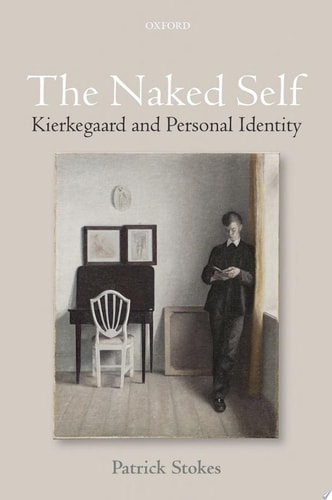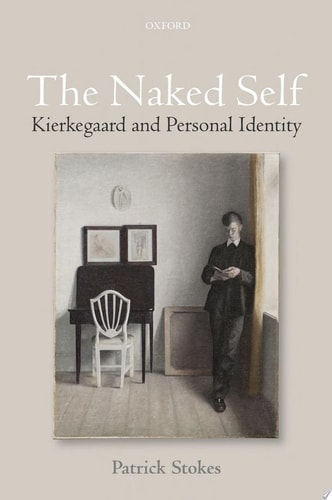
The Naked Self
0
0
As an Amazon Associate and affiliate partner, Menrva Books earns from qualifying purchases. Learn more
Author Description
Across His Relatively Short And Eccentric Authorial Career, Søren Kierkegaard Develops A Unique, And Provocative, Account Of What It Is To Become, To Be, And To Lose A Self, Backed Up By A Rich Phenomenology Of Self-experience. Yet Kierkegaard Has Been Almost Totally Absent From The Burgeoning Analytic Philosophical Literature On Self-constitution And Personal Identity. How, Then, Does Kierkegaard's Work Appear When Viewed In Light Of Current Debates About Self And Identity—and What Does Kierkegaard Have To Teach Philosophers Grappling With These Problems Today? The Naked Self Explores Kierkegaard's Understanding Of Selfhood By Situating His Work In Relation To Central Problems In Contemporary Philosophy Of Personal Identity: The Role Of Memory In Selfhood, The Relationship Between The Notional And Actual Subjects Of Memory And Anticipation, The Phenomenology Of Diachronic Self-experience, Affective Alienation From Our Past And Future, Psychological Continuity, Practical And Narrative Approaches To Identity, And The Intelligibility Of Posthumous Survival. By Bringing His Thought Into Dialogue With Major Living And Recent Philosophers Of Identity (such As Derek Parfit, Galen Strawson, Bernard Williams, J. David Velleman, Marya Schechtman, Mark Johnston, And Others), Stokes Reveals Kierkegaard As A Philosopher With A Significant—if Challenging—contribution To Make To Philosophy Of Self And Identity.
Menrva's Summary
THE THESIS
How does Søren Kierkegaard’s account of selfhood contribute to contemporary analytic debates regarding personal identity and self-constitution? Patrick Stokes, a scholar specializing in existentialism and personal identity, bridges the gap between Kierkegaard’s 19th-century phenomenological insights and modern analytic philosophy. By examining Kierkegaard’s work through the lens of current discourse, Stokes argues that the philosopher offers a rigorous framework for understanding the complexities of being, becoming, and losing a self.
THE SCOPE MAP
What You Will Find
- Analysis of Kierkegaardian concepts like affective alienation and diachronic self-experience.
- Comparative studies between Kierkegaard and modern thinkers such as Derek Parfit, Galen Strawson, and Marya Schechtman.
- Investigations into the role of memory, psychological continuity, and narrative identity.
Scope Limits
- The text does not provide a general introduction to Kierkegaard’s entire body of work.
- It does not focus on theological or religious implications of Kierkegaard’s philosophy, prioritizing the analytic identity debate instead.
THE AUTHORITY PERSPECTIVE
Scholars and philosophers frequently cite this work as a bridge between continental existentialism and analytic philosophy of mind. Experts highlight the text for its ability to translate dense Kierkegaardian concepts into the rigorous language of contemporary identity theory.
Page Count:
256
Publication Date:
2015-01-01
Publisher:
Oxford University Press
ISBN-10:
0191047279
ISBN-13:
9780191047275
Philosophy
Personal Identity
Existentialism
Metaphysics
Phenomenology
Community Tags
Similar Books