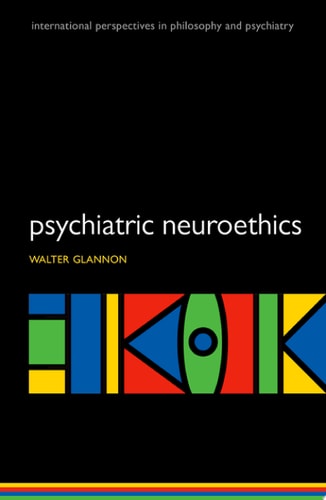
Psychiatric Neuroethics
0
0
As an Amazon Associate and affiliate partner, Menrva Books earns from qualifying purchases. Learn more
Author Description
Advances In Psychiatric Research And Clinical Psychiatry In The Last 30 Years Have Given Rise To A Host Of New Questions That Lie At The Intersection Of Psychiatry, Neuroscience, Philosophy And Law. Such Questions Include: -are Psychiatric Disorders Diseases Of The Brain, Caused By Dysfunctional Neural Circuits And Neurotransmitters? -what Role Do Genes, Neuro-endocrine, Neuro-immune Interactions And The Environment Play In The Development Of These Disorders? -how Do Different Explanations Of The Etiology And Pathophysiology Of Mental Illness Influence Diagnosis, Prognosis And Decisions About Treatment? -would It Be Rational For A Person With A Chronic Treatment-resistant Disorder To Request Euthanasia Or Assisted Suicide To End Their Suffering? -could Psychiatric Disorders Be Predicted And Prevented? Psychiatric Neuroethics Explores These Questions In A Comprehensive And Systematic Way, Discussing The Medical And Philosophical Implications Of Neuroscience And The Research Domain Criteria (rdoc) In The Fields Of Psychiatry And Mental Health. It Examines The Extent To Which Circuit-based Criteria Can Offer A Satisfactory Explanation Of Psychiatric Disorders And How They Compare With The Symptom-based Criteria Of The Diagnostic And Statistical Manual Of Mental Disorders (dsmv). This Book Will Be Of Interest To A Multidisciplinary Audience, Including Psychiatrists, Neurologists, Neurosurgeons, Philosophers, Psychologists And Legal Theorists.
Menrva's Summary
THE THESIS
This book investigates the ethical, legal, and philosophical implications arising from the integration of neuroscience into psychiatric research and clinical practice. Walter Glannon, a scholar in biomedical ethics, utilizes a framework that bridges neurobiological data with philosophical inquiry to evaluate how modern understandings of brain function challenge traditional diagnostic and treatment paradigms. He systematically assesses the shift from symptom-based classification to circuit-based models, questioning the validity of these approaches in defining mental illness and determining patient autonomy.
THE SCOPE MAP
What You Will Find
- Comparative analysis of the DSM-5 symptom-based criteria versus the Research Domain Criteria (RDoC) circuit-based models.
- Ethical evaluation of neuro-intervention, including deep brain stimulation and pharmacological treatments.
- Philosophical discourse on the nature of mental disorders as brain diseases versus environmental or psychological constructs.
Scope Limits
- The text does not provide clinical treatment protocols or patient-facing therapeutic guides.
- It does not offer an exhaustive legal manual for psychiatric malpractice or litigation.
THE AUTHORITY PERSPECTIVE
Experts identify this work as a rigorous interdisciplinary resource for professionals navigating the intersection of clinical psychiatry and neuroethics. Readers frequently note the academic density of the prose, which requires a foundational understanding of both neuroscience and philosophical ethics to fully synthesize the arguments presented.
Page Count:
320
Publication Date:
2018-01-01
Publisher:
Oxford University Press
ISBN-10:
0191076600
ISBN-13:
9780191076602
Psychiatry
Mental Health
Medical Law
Neuroscience
Bioethics
Philosophy of
Community Tags
Similar Books