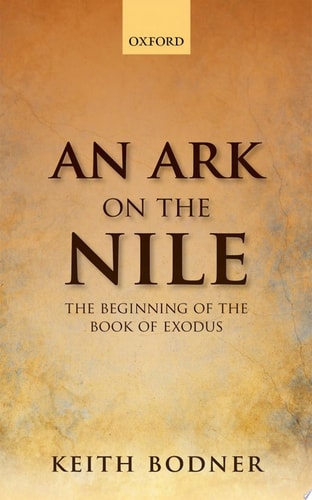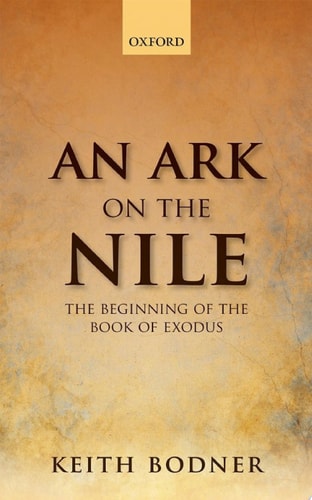
An Ark on the Nile: The Beginning of the Book of Exodus
0
0
As an Amazon Associate and affiliate partner, Menrva Books earns from qualifying purchases. Learn more
Author Description
The opening sector of the book of Exodus is a powerful narrative and a striking example of the artistic qualities of the Pentateuch, a facet of the text that occasionally is neglected in high-level scholarship. Exodus 1-2 is finely choreographed work that compresses a vast amount of material onto a limited textual canvas, creating a story that appeals to readers of every age. Resuming where the book of Genesis leaves off-the last image of Genesis 50 is a coffin in Egypt, primed for a sequel-the first two chapters of Exodus combine a fast-moving plot with some unique shades of characterization: Israel's growth in Egypt, the rise of a malevolent new king, the birth of a hero and early experiences of adversity for the main character in the story to come. The burden of slavery and miracle of salvation are introduced in this sector of text, and become paradigmatic examples of divine redemption that reverberate throughout the Hebrew Bible and beyond. An Ark on the Nile: The Beginning of the Book of Exodus is a close-reading of Exodus 1-2 that analyzes the story as a reasonably self-contained unit, but suggesting that major plot movements in the book of Exodus are foreshadowed and anticipated here. Applying a number of insights from literary theory, Keith Bodner offers an illustration of further integration of biblical studies with cross-disciplinary narrative interpretation.
Menrva's Summary
THE THESIS
This work investigates the literary artistry and narrative structure of the opening chapters of the book of Exodus to demonstrate how these verses function as a foundational unit for the entire Pentateuch. Keith Bodner, a scholar of biblical literature, utilizes a close-reading methodology to examine the compression of narrative material in Exodus 1-2. He argues that these chapters are not merely introductory but contain foreshadowing and thematic seeds that define the theological trajectory of the Hebrew Bible.
THE SCOPE MAP
What You Will Find
- A detailed analysis of Exodus chapters 1 and 2.
- Application of modern literary theory to ancient Near Eastern texts.
- Exploration of the transition from the narrative conclusion of Genesis to the onset of the Exodus account.
Scope Limits
- The analysis is strictly confined to the first two chapters of Exodus rather than the entire book.
- The text prioritizes literary and narrative interpretation over historical or archaeological verification.
THE AUTHORITY PERSPECTIVE
Scholars and students of biblical studies frequently note the book's success in bridging the gap between technical exegesis and literary appreciation. Experts highlight this as a useful resource for those seeking to understand the narrative mechanics of the Pentateuch beyond traditional historical-critical approaches.
Page Count:
216
Publication Date:
2016-01-01
Publisher:
OUP Oxford
ISBN-10:
0191086827
ISBN-13:
9780191086823
Religion
Bibles
Theology
Exegesis
Literary Criticism