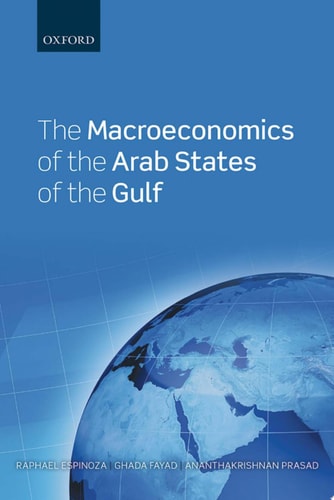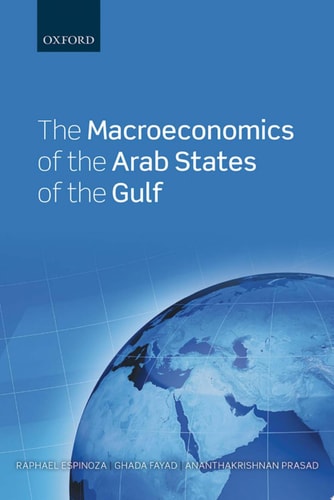
The Macroeconomics of the Arab States of the Gulf
0
0
As an Amazon Associate and affiliate partner, Menrva Books earns from qualifying purchases. Learn more
Author Description
The economies of the Arab states of the Gulf have gone through considerable changes in the last decade, spurred by high oil prices and ambitious diversification plans. Large-scale immigration provided the labour force while capital inflows and financial development leveraged oil wealth to finance diversification. The collapse in real estate prices around the world followed by the global crisis slowed growth and raised questions on the appropriateness of what has been dubbed the 'GCC model'. The Gulf Cooperation Council (GCC) countries have thus far managed to leverage their large natural resource wealth to achieve economic prosperity and finance social advances, and the region also emerged as an important source of funds for the other countries in the Middle East. Nevertheless, the GCC face several challenges. Productivity growth must increase to fully reap the benefits of investment. Jobs must be created for the nationals and the growing youth population. State intervention (which is prevalent, given that oil revenues accrue to the government) must become efficient and be used to diversify and modernize the economy. In addition, the recent crisis highlighted the importance of fiscal, monetary, and financial stability policies to manage macroeconomic cycles. This book analyses these issues and combines data and econometric analysis with theoretical discussions. It concludes with a discussion of the importance of the GCC for the wider region.
Menrva's Summary
THE THESIS
This book investigates the sustainability and structural challenges of the economic model utilized by the Gulf Cooperation Council (GCC) countries in the wake of global financial volatility and fluctuating oil prices. The authors, affiliated with the International Monetary Fund, utilize a combination of empirical data, econometric modeling, and theoretical frameworks to assess how these nations can transition from oil-dependent revenue streams to diversified, productivity-driven economies. The text evaluates the efficacy of state-led development strategies and the necessity of implementing robust fiscal and monetary policies to ensure long-term regional stability.
THE SCOPE MAP
What You Will Find
- Analysis of labor market dynamics and the impact of large-scale immigration on economic growth.
- Econometric assessments of fiscal policy, monetary stability, and financial sector development.
- Evaluation of diversification strategies and the role of state intervention in modernizing the economy.
Scope Limits
- The analysis focuses primarily on the macroeconomic structures of GCC member states and does not provide a comprehensive microeconomic study of individual corporate entities.
- The text prioritizes structural economic policy over detailed geopolitical or cultural history.
THE AUTHORITY PERSPECTIVE
Experts recognize this work as a rigorous, data-driven examination of the GCC economic model, often cited for its technical depth and policy-oriented approach. Readers frequently note the academic density of the prose, making it a valuable resource for economists, policy analysts, and students of Middle Eastern development.
Page Count:
240
Publication Date:
2013-01-01
Publisher:
OUP Oxford
ISBN-10:
0191506745
ISBN-13:
9780191506741
Economics
Middle East
Finance
Macroeconomics
Principles of Macroeconomics
Community Tags
Similar Books