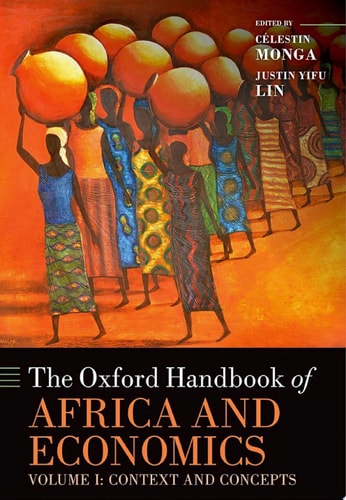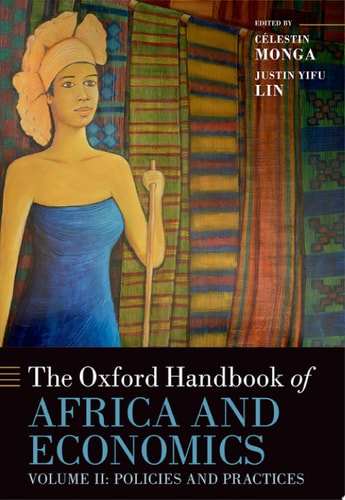
The Oxford Handbook of Africa and Economics
0
0
As an Amazon Associate and affiliate partner, Menrva Books earns from qualifying purchases. Learn more
Author Description
A Popular Myth About The Travails Of Africa Holds That The Continent's Long History Of Poor Economic Performance Reflects The Inability Of Its Leaders And Policymakers To Fulfill The Long List Of Preconditions To Be Met Before Sustained Growth Can Be Achieved. These Conditions Are Said To Vary From The Necessary Quantity And Quality Of Physical And Human Capital To The Appropriate Institutions And Business Environments. While Intellectually Charming And Often Elegantly Formulated, That Conventional Wisdom Is Actually Contradicted By Historical Evidence And Common Sense. It Also Suggests A Form Of Intellectual Mimicry That Posits A Unique Path To Prosperity For All Countries Regardless Of Their Level Of Development And Economic Structure. In Fact, The Argument Underlining That Reasoning Is Tautological, And The Policy Prescriptions Derived From It Are Fatally Teleological: Low-income Countries Are By Definition Those Where Such Ingredients Are Missing. None Of Today's High-income Countries Started Its Growth Process With The Required And Complete List Of Growth Ingredients. Unless One Truly Believes That The Continent Of Africa-and Most Developing Countries-are Ruled Predominantly If Not Exclusively By Plutocrats With A High Propensity For Sadomasochism, The Conventional View Must Be Re-examined, Debated, And Questioned. This Volume-the Second Of The Loxford Handbook Of Africa And Economics-reassesses The Economic Policies And Practices Observed Across The Continent Since Independence. It Offers A Collection Of Analyses By Some Of The Leading Economists And Development Thinkers Of Our Time, And Reflects A Wide Range Of Perspectives And Viewpoints. Africa's Emergence As A Potential Economic Powerhouse In The Years And Decades Ahead Amply Justifies The Scope And Ambition Of The Book.
Menrva's Summary
THE THESIS
This volume investigates the validity of conventional economic wisdom regarding Africa's historical growth performance and challenges the necessity of predefined institutional preconditions for development. Edited by Justin Yifu Lin and Célestin Monga, the text compiles analyses from leading development economists to critique the teleological nature of standard policy prescriptions. The authors argue that the historical trajectory of high-income nations contradicts the notion that specific capital and institutional requirements must be met before growth can occur.
THE SCOPE MAP
What You Will Find
- Comparative analyses of economic policies implemented across African nations since independence
- Theoretical frameworks challenging the 'preconditions' model of economic development
- Diverse perspectives on the structural transformation of developing economies
- Empirical critiques of intellectual mimicry in international development policy
Scope Limits
- The volume does not provide a singular, unified policy manual for all African nations
- It does not focus on micro-level business management or specific corporate case studies
THE AUTHORITY PERSPECTIVE
Experts recognize this work as a significant contribution to development economics, particularly for its rigorous challenge to standard institutionalist narratives. Readers frequently note the academic density of the prose, making it a primary resource for researchers and policymakers interested in structural economic transformation.
Page Count:
704
Publication Date:
2015-01-01
Publisher:
Oup Oxford
ISBN-10:
0191510734
ISBN-13:
9780191510731
Economics
Public Policy
Community Tags
Similar Books