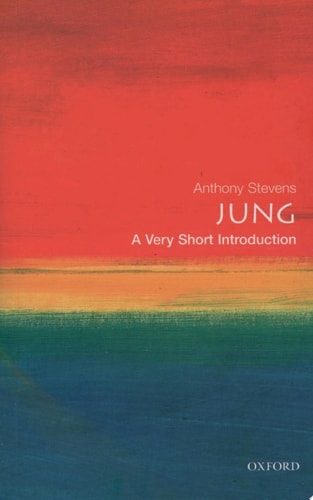
Jung: A Very Short Introduction
0
0
As an Amazon Associate and affiliate partner, Menrva Books earns from qualifying purchases. Learn more
Author Description
Though He Was A Prolific Writer And An Original Thinker Of Vast Erudition, Jung Lacked A Gift For Clear Exposition And His Ideas Are Less Widely Appreciated Than They Deserve. In This Concise Introduction, Anthony Stevens Explains Clearly The Basic Concepts Of Jungian Psychology: The Collective Unconscious, Complex, Archetype, Shadow, Persona, Anima, Animus, And The Individuation Of The Self. He Examines Jung's Views On Such Disparate Subjects As Myth, Religion, Alchemy, `sychronicity', And The Psychology Of Gender Differences, And He Devotes Separate Chapters To The Stages Of Life, Jung's Theory Of Psychological Types, The Interpretation Of Dreams, The Practice Of Jungian Analysis, And To The Unjust Allegation That Jung Was A Nazi Sympathizer. Finally, He Argues That Jung's Visionary Powers And Profound Spirituality Have Helped Many To Find An Alternative Set Of Values To The Arid Materialism Prevailing In Western Society. About The Series: The Very Short Introductions Series From Oxford University Press Contains Hundreds Of Titles In Almost Every Subject Area. These Pocket-sized Books Are The Perfect Way To Get Ahead In A New Subject Quickly. Our Expert Authors Combine Facts, Analysis, Perspective, New Ideas, And Enthusiasm To Make Interesting And Challenging Topics Highly Readable.
Menrva's Summary
THE THESIS
This book investigates the core concepts of Carl Jung's psychological framework to clarify his complex theories for a general audience. Anthony Stevens, a psychiatrist and Jungian analyst, utilizes his professional expertise to distill Jung's voluminous and often dense writings into an accessible overview. The text argues that Jung's work provides a necessary spiritual and psychological counterpoint to the materialism of modern Western society.
THE SCOPE MAP
What You Will Find
- Explanations of key Jungian concepts including the collective unconscious, archetypes, and individuation.
- Analysis of Jung's perspectives on synchronicity, alchemy, and dream interpretation.
- A historical defense regarding allegations of Jung's political affiliations.
Scope Limits
- The text does not provide an exhaustive biography of Jung's personal life.
- It does not serve as a clinical manual for practicing Jungian analysis.
THE AUTHORITY PERSPECTIVE
Experts and readers frequently cite this work as a highly effective entry point for those unfamiliar with Jungian theory. The prose is noted for its ability to simplify intricate psychological concepts without sacrificing intellectual rigor.
Page Count:
192
Publication Date:
2001-01-01
Publisher:
Oup Oxford
ISBN-10:
0191540536
ISBN-13:
9780191540530
Psychology
Philosophy
Biography
Non-Fiction
Psychoanalysis
Academic