Author Description
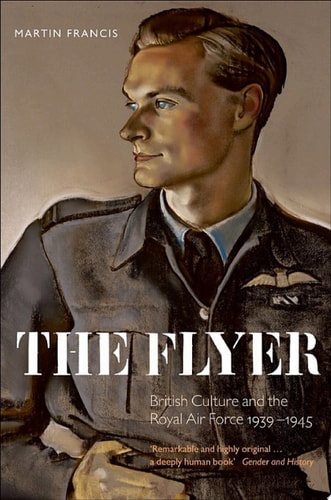
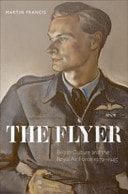
Between 1939 And 1945, The British Public Was Spellbound By The Martial Endeavours And Dashing Style Of The Young Men Of The Raf, Especially Those With Silvery Fabric Wings Sewn Above The Breast Pocket Of Their Glamorous Slate-blue Uniform. Martin Francis Provides The First Scholarly Study Of The Place Of 'the Flyer' In British Culture During The Second World War. Examining The Lives Of Raf Personnel, And Their Popular Representation In Literary And Cinematic Texts, He Illuminates Broader Issues Of Gender, Social Class, National And Racial Identities, Emotional Life, And The Creation Of A National Myth In Twentieth-century Britain. In Particular, Francis Argues That The Flyer's Relationship To Fear, Aggression, Loss Of His Comrades, Bodily Dismemberment, And Psychological Breakdown Reveals Broader Ambiguities Surrounding The Dominant Understandings Of Masculinity In The Middle Decades Of The Century. Despite His Star Appeal, Cultural Representations Of The Flyer Encompassed Both The Gentle, Chivalrous Warrior And The Uncompromising Agent Of Destruction. Paying Particular Attention To The Romantic Universe Of Wartime Aircrew, Francis Reveals The Extraordinary Contrasts Of Their Daily Lives: Dicing With Death In The Sky One Moment, Before Sitting Down To Lunch With Wives And Children In The Next. Male And Female Experiences During The War Were Not Polarized And Antithetical, But Were Complementary And Interrelated, A Conclusion Which Has Implications For The History Of Gender In Modern Britain That Reach Well Beyond Either The Specialized Military Culture Of The Wartime Raf Or The Chronological Parameters Of The Second World War.
Menrva's Summary
THE THESIS
This book investigates how the cultural archetype of the Royal Air Force flyer shaped and reflected British understandings of masculinity, national identity, and emotional life during the Second World War. Martin Francis, a historian specializing in modern British history, utilizes a combination of archival research, military records, and cultural analysis of contemporary literature and cinema. He argues that the figure of the flyer served as a complex symbol that challenged traditional notions of chivalry, aggression, and the psychological toll of combat in twentieth-century Britain.
THE SCOPE MAP
What You Will Find
- Analysis of RAF personnel experiences and their public perception from 1939 to 1945.
- Examination of gender dynamics and the intersection of domestic and military life.
- Critical review of wartime literary and cinematic representations of aircrew.
Scope Limits
- The study is primarily focused on the British cultural context and does not provide an exhaustive military history of RAF tactical operations.
- It does not cover the post-war legacy of the flyer archetype in depth beyond the immediate context of the mid-twentieth century.
THE AUTHORITY PERSPECTIVE
Historians and scholars of gender studies frequently cite this work for its nuanced approach to the intersection of military culture and social identity. Readers often note the academic rigor of the prose, which provides a sophisticated examination of how wartime experiences redefined British masculinity.
Page Count:
288
Publication Date:
2008-01-01
Publisher:
Oup Oxford
ISBN-10:
019155720X
ISBN-13:
9780191557200
History
British History
Military History
World War
Gender Studies
Community Tags
Similar Books