Christian Slavery
0
0
As an Amazon Associate and affiliate partner, Menrva Books earns from qualifying purchases. Learn more
Author Description
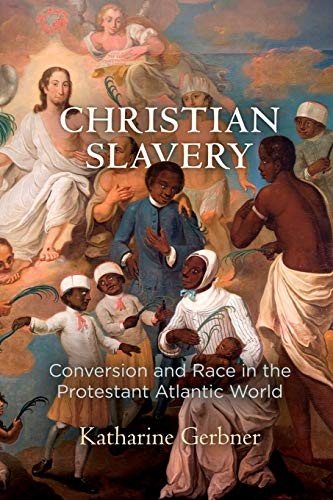
Could slaves become Christian? If so, did their conversion lead to freedom? If not, then how could perpetual enslavement be justified? When Protestant missionaries arrived in the plantation colonies intending to convert enslaved Africans to Christianity in the 1670s, they were appalled that most slave owners rejected the prospect of slave conversion. Slaveholders regularly attacked missionaries, both verbally and physically, and blamed the evangelizing newcomers for slave rebellions. In response, Quaker, Anglican, and Moravian missionaries articulated a vision of "Christian Slavery," arguing that Christianity would make slaves hardworking and loyal. Christian Slavery shows how the contentions between slave owners, enslaved people, and missionaries transformed the practice of Protestantism and the language of race in the early modern Atlantic world. - Back cover. The author contends that religion was fundamental to the development of both slavery and race in the Protestant Atlantic world. Slave owners in the Caribbean and elsewhere established governments and legal codes based on an ideology of "Protestant Supremacy," which excluded the majority of enslaved men and women from Christian communities. For slaveholders, Christianity was a sign of freedom, and most believed that slaves should not be eligible for conversion. - Publisher.
Menrva's Summary
THE THESIS
The central conflict revolves around the question of whether enslaved people could become Christian and, if so, whether their conversion should lead to freedom. The book explores the contentious interactions between Protestant missionaries seeking to convert enslaved Africans in the 1670s and slave owners who largely rejected this prospect, fearing slave rebellions. It details how missionaries developed the concept of "Christian Slavery" to argue that Christianity would foster diligence and loyalty in the enslaved population. Ultimately, the work demonstrates how these debates reshaped Protestantism and the discourse of race across the early modern Atlantic world.
THE SCOPE MAP
- The historical development of the concept of "Christian Slavery" in the Protestant Atlantic world.
- The ideological clash between slave owners and missionaries regarding the conversion of enslaved Africans.
- The role of Protestantism and the language of race in the justification and practice of slavery.
- Analysis of government and legal codes based on "Protestant Supremacy" that excluded enslaved people from Christian communities.
- Examination of the arguments used by missionaries to counter slaveholder resistance to conversion.
- The impact of these religious and racial contentions on the early modern Atlantic world.
THE AUTHORITY PERSPECTIVE
The book examines the complex relationship between Christianity, slavery, and race in the early modern Atlantic world, focusing on the resistance of slave owners to converting enslaved people. It highlights how missionaries responded by articulating a vision of "Christian Slavery" to make the enslaved more compliant. The work analyzes the development of "Protestant Supremacy" and its role in shaping legal and social structures. Ultimately, it argues that these religious and racial debates fundamentally transformed both Protestantism and the discourse of race in the period.
Page Count:
296
Publication Date:
2019-01-01
ISBN-10:
0812224361
ISBN-13:
9780812224368
Non-Fiction
History
Religion
Slavery
Race
Atlantic World