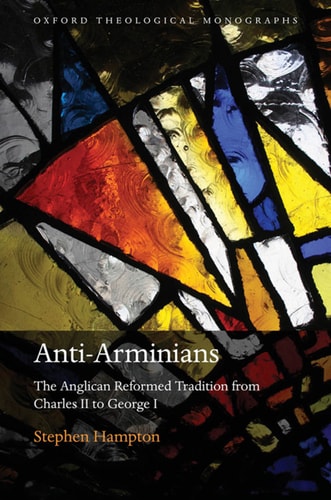
Anti-Arminians: The Anglican Reformed Tradition from Charles II to George I
0
0
As an Amazon Associate and affiliate partner, Menrva Books earns from qualifying purchases. Learn more
Author Description
This book is a study of the Anglican Reformed tradition (often inaccurately described as Calvinist) after the Restoration. Hampton sets out to revise our picture of the theological world of the later Stuart period. Arguing that the importance of the Reformed theological tradition has frequently been underestimated, his study points to a network of conforming reformed theologians which included many of the most prominent churchmen of the age. Focussing particularly on what these churchmen contributed in three hotly disputed areas of doctrine (justification, the Trinity and the divine attributes), he argues that the most significant debates in speculative theology after 1662 were the result of the Anglican Reformed resistance to the growing influence of continental Arminianism. Hampton demonstrates the strength and flexibility of the Reformed response to the developing Arminian school, and shows that the Reformed tradition remained a viable theological option for Anglicans well into the eighteenth century. This study therefore provides a significant bridge linking the Reformed writes of the Elizabethan and early Stuart periods to the Reformed Evangelicals of the eighteenth century. It also shows that, throughout its formative period, Anglicanism was not a monolithic tradition, but rather a contested ground between the competing claims of those adhering to the Church of England's Reformed doctrinal heritage and the insights of those who, to varying degrees, were prepared to explore new theological avenues.
Menrva's Summary
THE THESIS
This book investigates the persistence and influence of the Anglican Reformed theological tradition within the Church of England between the Restoration of 1662 and the early eighteenth century. Stephen Hampton, a scholar of ecclesiastical history, utilizes primary source documents and theological treatises from the period to challenge the prevailing narrative that Reformed thought vanished after the Restoration. He argues that a robust network of conforming theologians actively resisted the encroachment of continental Arminianism, thereby maintaining a significant intellectual presence that bridged the gap between early Stuart divines and later Evangelical movements.
THE SCOPE MAP
What You Will Find
- Analysis of theological debates regarding justification, the Trinity, and divine attributes.
- Examination of the intellectual conflict between Reformed and Arminian schools of thought.
- Historical context of the Church of England during the later Stuart period.
Scope Limits
- The study does not provide a comprehensive history of all Anglican theological developments during this era.
- It focuses primarily on the intellectual output of high-ranking churchmen rather than the broader popular religious experience of the laity.
THE AUTHORITY PERSPECTIVE
Scholars recognize this work as a significant revisionist study that successfully complicates the traditional understanding of post-Restoration Anglicanism. Readers frequently note the academic density of the prose, which is intended for specialists in historical theology and church history.
Page Count:
302
Publication Date:
2008-01-01
Publisher:
OUP Oxford
ISBN-10:
0191608920
ISBN-13:
9780191608926
Religion
History
Church History
Anglicanism
Theology
Stuart Period
Reformed Theology