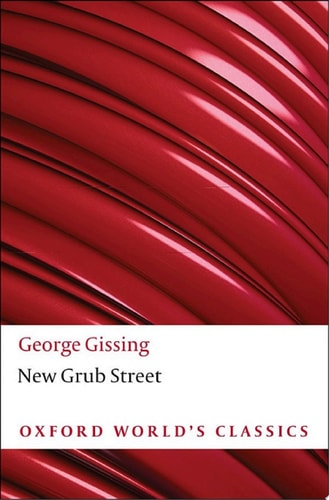
New Grub Street
0
0
As an Amazon Associate and affiliate partner, Menrva Books earns from qualifying purchases. Learn more
Author Description
New Grub Street (1891), Generally Regarded As Gissing's Finest Novel, Is The Story Of The Daily Lives And Broken Dreams Of Men And Women Forced To Earn A Living By The Pen. With Vivid Realism It Tells Of A Group Of Novelists, Journalists, And Scholars Caught In The Literary And Cultural Crisis That Hit Britain In The Closing Years Of The Nineteenth Century, As Universal Education, Popular Journalism, And Mass Communication Began To Leave Their Mark On The Life Of Intellectuals. Projecting A Strong Sense Of The London In Which His Characters Struggle, Gissing Also Illuminates `the Valley Of The Shadow Of Books', Where The Spirit Of Alienation That Created Modernism Was Already Stirring.
Menrva's Summary
THE PULSE
The central conflict pits the integrity of artistic ambition against the crushing economic necessity of the Victorian literary marketplace. The narrative follows two primary protagonists, Edwin Reardon and Jasper Milvain, as they navigate the precarious world of professional writing in late 19th-century London. Reardon struggles to maintain his high-minded literary standards while facing poverty and creative exhaustion, while Milvain embraces the cynical pragmatism of popular journalism to secure his social and financial advancement. The story unfolds through a third-person perspective that meticulously documents the physical and psychological toll of the 'literary life' within a rapidly industrializing society.
INSIDE THE PAGES
- Detailed exploration of the commodification of literature
- Contrast between idealistic and commercial approaches to writing
- Vivid depiction of the London urban landscape
- Examination of the social pressures of the Victorian middle class
- Analysis of the impact of mass education on intellectual culture
- Themes of alienation and professional failure
- Realistic portrayal of domestic and financial instability
- Focus on the intersection of personal ambition and systemic economic forces
THE COLLECTIVE ECHO
Readers and critics frequently highlight the novel's unflinching realism and its cynical, yet accurate, portrayal of the publishing industry. Discussion often centers on the stark contrast between the two main characters, which serves as a vehicle for Gissing's critique of the changing cultural landscape. Many observers note the effectiveness of the atmosphere, which captures the bleakness of the struggle for intellectual survival in an era of mass communication. The narrative is often praised for its structural balance and its ability to maintain a consistent tone of social observation throughout the text. It remains a significant reference point for those interested in the transition toward modernism in literature.
Page Count:
576
Publication Date:
1998-01-01
Publisher:
Oup Oxford
ISBN-10:
0191605824
ISBN-13:
9780191605826
Literary Fiction
Social Commentary
Victorian
classic
Realism
Community Tags
Other Editions(26)

Natal Publishing, Llc
2024
Default edition
BoD - Books on Demand
2023

Creative Media Partners, LLC
2022

Mint Editions
2021

Independently Published
2021

Independently Published
2021
Independently Published
2020

Amazon Digital Services LLC - KDP Print US
2020

Independently Published
2020

Simon & Brown
2018

CreateSpace Independent Publishing Platform
2018

Independently Published
2018

Independently Published
2018

CreateSpace Independent Publishing Platform
2017

CreateSpace Independent Publishing Platform
2017
Oxford University Press
2016
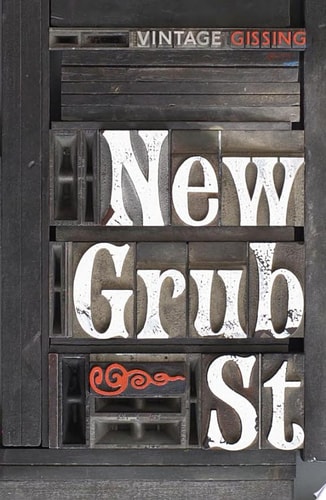
Random House
2014

Digireads.com Publishing
2011
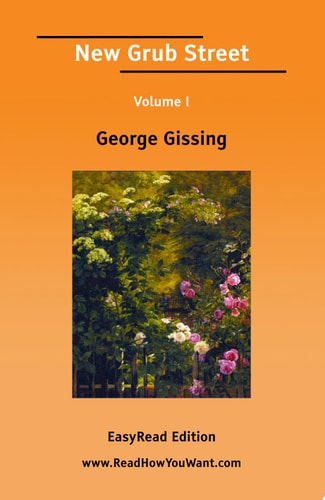
ReadHowYouWant.com
2009

ReadHowYouWant.com, Limited
2006
Kessinger Publishing
2004

Wildside Press, LLC
2004
Oup Oxford
1998
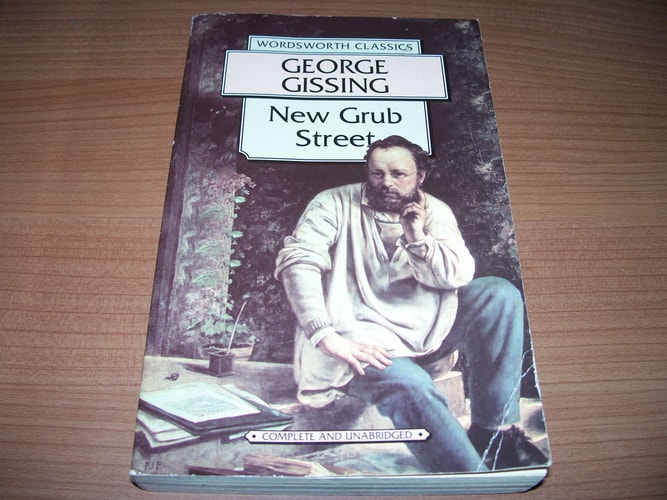
Wordsworth Editions, Limited
1996
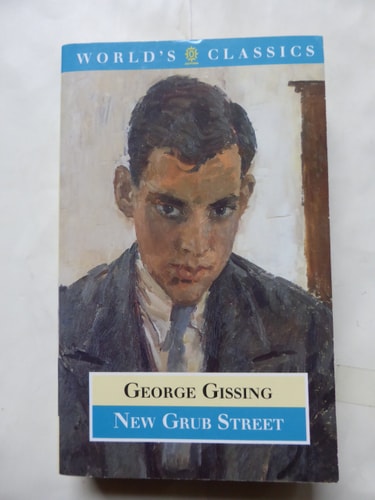
Oxford University Press
1993

Ryburn
1992
Similar Books


Reader Comments
Share Your Thoughts
No comments yet. Be the first to share your thoughts!