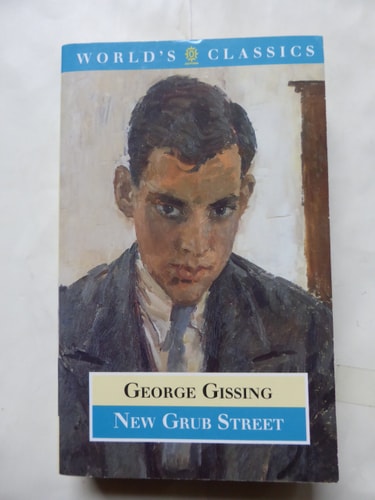
New Grub Street
0
0
As an Amazon Associate and affiliate partner, Menrva Books earns from qualifying purchases. Learn more
Author Description
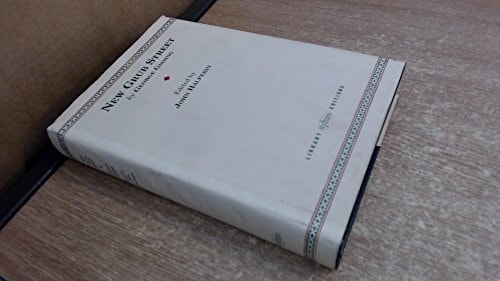
New Grub Street (1891), George Gissing's most highly regarded novel, is the story of men and women forced to make their living by writing. Their daily lives and broken dreams, made and marred by the rigors of urban life and the demands of the fledgling mass communications industry, are presented with vivid realism and unsentimental sympathy. Its telling juxtaposition of the writing careers of the clever and malicious Jaspar Milvain and the honest and struggling Edward Reardon quickly made New Grub Street into a classic work of late Victorian fiction.
Menrva's Summary
THE PULSE
The central conflict arises from the brutal economic pressures placed upon writers in late Victorian London, forcing them to choose between artistic integrity and commercial success. The narrative follows two primary protagonists: Edward Reardon, a man of high literary ambition struggling against poverty and creative stagnation, and Jasper Milvain, a cynical opportunist who embraces the demands of the burgeoning mass-market press. Their diverging paths illustrate the precarious nature of intellectual labor within a rapidly industrializing society. The novel employs a third-person omniscient perspective to examine the social and psychological toll of the literary marketplace on its participants.
INSIDE THE PAGES
- Detailed exploration of the late 19th-century publishing industry
- Contrast between high-minded idealism and pragmatic commercialism
- Realistic depiction of urban poverty and social class dynamics
- Examination of the psychological impact of financial instability
- Focus on the commodification of literature and journalism
- Intricate character studies of writers and their families
- Satirical commentary on the rise of mass media
- Atmospheric portrayal of London as a site of both opportunity and ruin
THE COLLECTIVE ECHO
Readers and critics frequently highlight the novel's unflinching look at the intersection of art and commerce. Discussion often centers on the stark contrast between the principled but failing Reardon and the manipulative but successful Milvain. Many observers note the effectiveness of Gissing's prose in capturing the bleak reality of the Victorian literary scene. The work is widely recognized for its psychological depth and its ability to remain relevant to contemporary discussions about the value of creative work. Readers often appreciate the lack of sentimentality in the narrative, which provides a grounded and sobering view of the professional writer's life.
Page Count:
576
Publication Date:
1993-12-09
Publisher:
Oxford University Press
ISBN-10:
0192829637
ISBN-13:
9780192829634
Literary Fiction
classic
England
Victorian
Realism
Social Commentary
Community Tags
Other Editions(26)

Natal Publishing, Llc
2024
Default edition
BoD - Books on Demand
2023

Creative Media Partners, LLC
2022

Mint Editions
2021

Independently Published
2021

Independently Published
2021
Independently Published
2020

Amazon Digital Services LLC - KDP Print US
2020
Independently Published
2020

Simon & Brown
2018

CreateSpace Independent Publishing Platform
2018

Independently Published
2018

Independently Published
2018

CreateSpace Independent Publishing Platform
2017

CreateSpace Independent Publishing Platform
2017
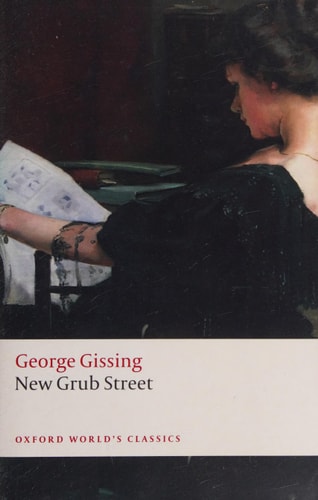
Oxford University Press
2016
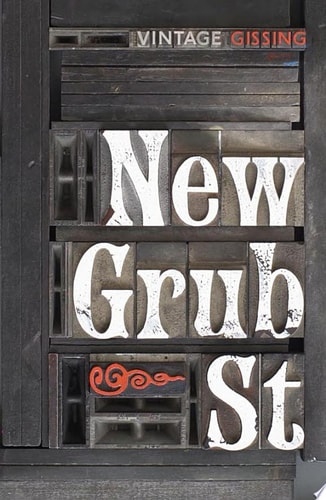
Random House
2014
Digireads.com Publishing
2011
ReadHowYouWant.com
2009
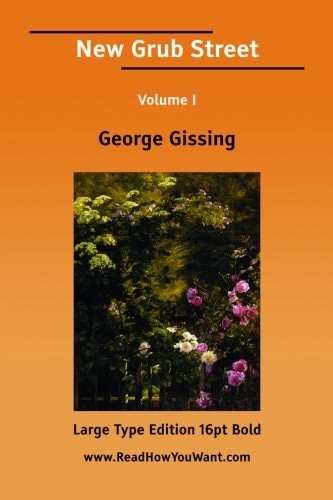
ReadHowYouWant.com, Limited
2006
Kessinger Publishing
2004

Wildside Press, LLC
2004
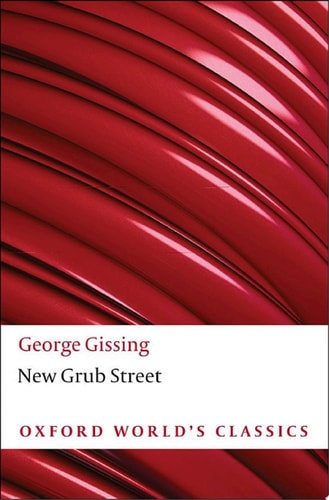
Oup Oxford
1998
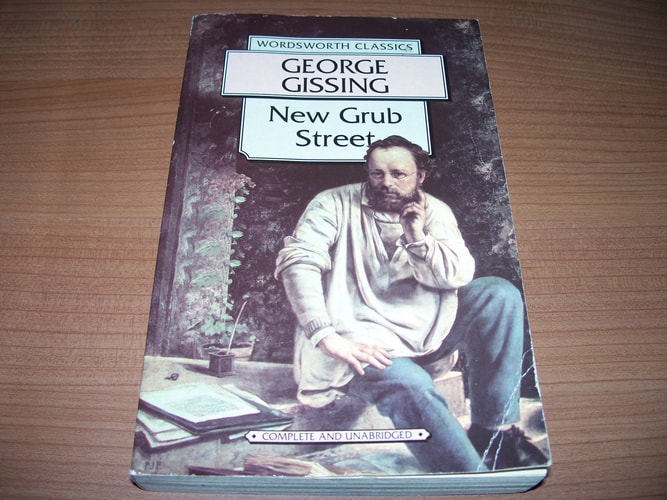
Wordsworth Editions, Limited
1996
Oxford University Press
1993
Ryburn
1992
Similar Books

Reader Comments
Share Your Thoughts
No comments yet. Be the first to share your thoughts!