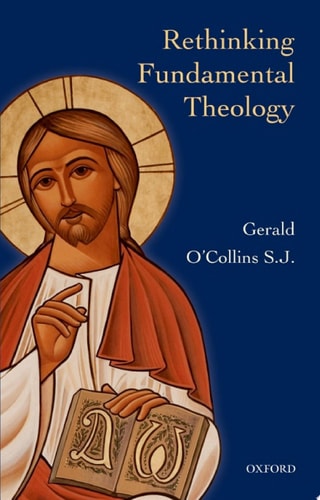
Rethinking Fundamental Theology: Toward a New Fundamental Theology
0
0
As an Amazon Associate and affiliate partner, Menrva Books earns from qualifying purchases. Learn more
Author Description
This book identifies the distinguishing features of fundamental theology, as distinct from philosophical theology, natural theology, apologetics, and other similar disciplines. Addressing the potential for confusion about basic Christian claims and beliefs, Gerald O'Collins sets out to relaunch fundamental theology as a discipline by presenting a coherent vision of basic theological questions and positions that lay the ground for work in specific areas of systematic theology. Rethinking Fundamental Theology examines central theological questions: about God, human experience and, specifically, religious experience; the divine revelation coming through the history of Israel and through the life, death and resurrection of Jesus; human faith that responds to revelation; the nature of tradition that transmits the record and reality of revelation; the structure of biblical inspiration and truth, as well as basic issues concerned with the formation of the canon; the founding of the Church with some leadership structures; the relationship between Christ's revelation and the faith of those who follow other religions. O'Collins concludes with some reflections on theological method. Written with the scholarship and accessibility for which O'Collins is known and valued, this book will relaunch fundamental theology as a distinct and necessary discipline in faculties and departments of theology and religious studies around the world.
Menrva's Summary
THE THESIS
This book investigates the necessity of redefining fundamental theology as a distinct academic discipline to clarify basic Christian claims and provide a foundation for systematic theology. Gerald O'Collins, a prominent theologian, utilizes his extensive background in historical and systematic theology to address the confusion surrounding the boundaries of fundamental theology. He argues for a coherent framework that bridges the gap between philosophical inquiry and specific theological doctrines, establishing a methodology for contemporary religious discourse.
THE SCOPE MAP
What You Will Find
- Analysis of the distinction between fundamental theology, natural theology, and apologetics
- Examination of religious experience and the nature of divine revelation
- Discussion on the role of tradition, biblical inspiration, and canon formation
- Exploration of the relationship between Christian revelation and other world religions
Scope Limits
- Does not provide a comprehensive history of all theological movements
- Does not serve as an exhaustive guide to systematic theology itself
THE AUTHORITY PERSPECTIVE
Scholars and students of theology frequently cite this work as a primary text for clarifying the methodological boundaries of the field. Experts highlight the author's ability to synthesize complex theological questions into an accessible format for academic study.
Page Count:
380
Publication Date:
2011-01-01
Publisher:
OUP Oxford
ISBN-10:
0191620602
ISBN-13:
9780191620607
Religion
Christianity
Theology
Apologetics
Systematic Theology
Community Tags
Similar Books