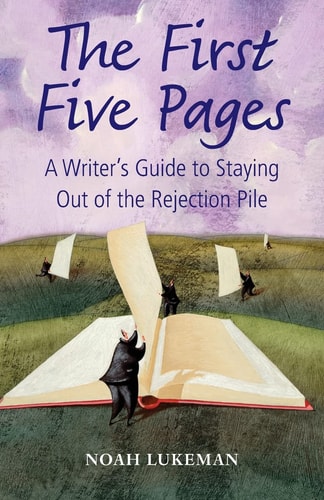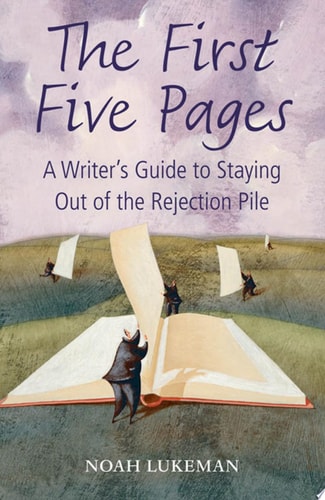
The First Five Pages: A Writer's Guide to Staying Out of the Rejection Pile
0
0
As an Amazon Associate and affiliate partner, Menrva Books earns from qualifying purchases. Learn more
Author Description
Whether You Are A Novice Writer Or A Veteran Who Has Already Had Your Work Published, Rejection Is Often A Frustrating Reality. Literary Agents And Editors Receive And Reject Hundreds Of Manuscripts Each Month. While It's The Job Of These Publishing Professionals To Be Discriminating, It's The Job Of The Writer To Produce A Manuscript That Immediately Stands Out Among The Vast Competition. And Those Outstanding Qualities, Says New York Literary Agent Noah Lukeman, Have To Be Apparent From The First Five Pages. The First Five Pages: A Writer's Guide To Staying Out Of The Rejection Pile Reveals The Necessary Elements Of Good Writing, Whether It Be Fiction, Nonfiction, Journalism, Or Poetry, And Points Out Errors To Be Avoided, Such As: - A Weak Opening Hook - Overuse Of Adjectives And Adverbs - Flat Or Forced Metaphors Or Similes - Undeveloped Characterizations And Lifeless Settings - Uneven Pacing And Lack Of Progression With Exercises At The End Of Each Chapter, This Invaluable Reference Will Allow Novelists, Journalists, Poets, And Screenwriters Alike To Improve Their Technique As They Learn To Eliminate Even The Most Subtle Mistakes That Are Cause For Rejection. The First Five Pages Will Help Writers At Every Stage Take Their Art To A Higher - And More Successful - Level.
Menrva's Summary
THE THESIS
How can a writer ensure their manuscript survives the initial screening process of literary agents and editors? Noah Lukeman, a seasoned literary agent, draws upon his professional experience evaluating thousands of submissions to identify the specific technical failures that lead to immediate rejection. He argues that the quality of a manuscript is often determined within the first five pages, providing a diagnostic framework for writers to identify and correct common stylistic and structural weaknesses.
THE SCOPE MAP
What You Will Find
- Analysis of common manuscript pitfalls including weak hooks, excessive modifiers, and flat characterization.
- Practical exercises designed to refine prose and improve narrative pacing.
- Guidelines applicable across multiple formats, including fiction, non-fiction, journalism, and poetry.
Scope Limits
- The text focuses primarily on the mechanics of the opening pages rather than the broader complexities of long-form plot architecture or query letter composition.
THE AUTHORITY PERSPECTIVE
Industry professionals and writing instructors frequently cite this work as a foundational text for understanding the gatekeeping process in traditional publishing. Readers often note the clinical and direct nature of the advice, which prioritizes technical precision over creative theory.
Page Count:
208
Publication Date:
2010-01-01
Publisher:
Oup Oxford
ISBN-10:
0191630357
ISBN-13:
9780191630354
Non-Fiction
Creative writing
Publishing
Writing Reference
How To