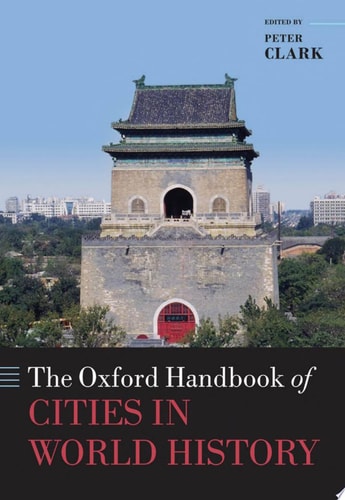
The Oxford Handbook of Cities in World History
0
0
As an Amazon Associate and affiliate partner, Menrva Books earns from qualifying purchases. Learn more
Author Description
In 2008 For The First Time The Majority Of The Planet's Inhabitants Lived In Cities And Towns. Becoming Globally Urban Has Been One Of Mankind's Greatest Collective Achievements Over Time, And Raises Many Questions. How Did Global City Systems Evolve And Interact In The Past? How Have Historic Urban Patterns Impacted On Those Of The Contemporary World? And What Were The Key Drivers In The Roller-coaster Of Urban Change Over The Millennia - Market Forces Such As Trade And Industry, Rulers And Governments, Competition And Collaboration Between Cities, Or The Urban Environment And Demographic Forces? This Pioneering Comparative Work By Leading Scholars Drawn From A Range Of Disciplines Offers The First Detailed Comparative Study Of Urban Development From Ancient Times To The Present Day. The Oxford Handbook Of Cities In World History Explores Not Only The Main Trends In The Growth Of Cities And Towns Across The World - In Asia And The Middle East, Europe, Africa, And The Americas - And The Different Types Of Cities From Great Metropolitan Centres To Suburbs, Colonial Cities, And Market Towns, But Also Many Of The Essential Themes In The Making And Remaking Of The Urban World: The Role Of Power, Economic Development, Migration, Social Inequality, Environmental Challenge And The Urban Response, Religion And Representation, Cinema, And Urban Creativity. Split Into Three Parts Covering Ancient Cities, The Medieval And Early-modern Period, And The Modern And Contemporary Era, It Begins With An Introduction By The Editor Identifying The Importance And Challenges Of Research On Cities In World History, As Well As The Crucial Outlines Of Urban Development Since The Earliest Cities In Ancient Mesopotamia To The Present.
Menrva's Summary
THE THESIS
This volume investigates the historical evolution of global urban systems and the primary drivers behind the transformation of human settlements from ancient times to the contemporary era. Edited by Peter B. Clark, the text compiles contributions from a diverse array of scholars across multiple disciplines to analyze how market forces, governance, and environmental factors have shaped urban development. It provides a comparative framework for understanding the transition of the human population into a predominantly urban species.
THE SCOPE MAP
What You Will Find
- Comparative analysis of urban development across Asia, the Middle East, Europe, Africa, and the Americas
- Examination of diverse urban types including metropolitan centers, colonial cities, and market towns
- Thematic exploration of power, migration, social inequality, and environmental challenges
Scope Limits
- The text focuses on broad historical trends and comparative patterns rather than exhaustive micro-histories of every individual city
- It prioritizes structural and systemic drivers over anecdotal or localized narratives
THE AUTHORITY PERSPECTIVE
Scholars and students frequently identify this work as a foundational reference for the comparative study of urban history. Experts note the academic density of the prose, which serves as a comprehensive resource for researchers examining long-term global urbanization trends.
Page Count:
912
Publication Date:
2013-01-01
Publisher:
Oup Oxford
ISBN-10:
0191637696
ISBN-13:
9780191637698
History
World history
Urban Studies
Geography
Sociology
Academic
Community Tags
Other Editions(3)
Similar Books









Reader Comments
Share Your Thoughts
No comments yet. Be the first to share your thoughts!