Poetry
0
0
As an Amazon Associate and affiliate partner, Menrva Books earns from qualifying purchases. Learn more
Author Description
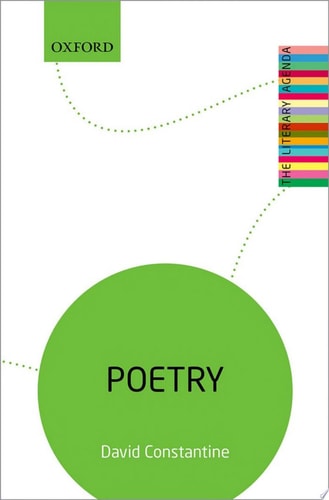
The Literary Agenda Is A Series Of Short Polemical Monographs About The Importance Of Literature And Of Reading In The Wider World And About The State Of Literary Education Inside Schools And Universities. The Category Of 'the Literary' Has Always Been Contentious. What Is Clear, However, Is How Increasingly It Is Dismissed Or Is Unrecognised As A Way Of Thinking Or An Arena For Thought. It Is Sceptically Challenged From Within, For Example, By The Sometimes Rival Claims Of Cultural History, Contextualized Explanation, Or Media Studies. It Is Shaken From Without By Even Greater Pressures: By Economic Exigency And The Severe Social Attitudes That Can Follow From It; By Technological Change That May Leave The Traditional Forms Of Serious Human Communication Looking Merely Antiquated. For Just These Reasons This Is The Right Time For Renewal, To Start Reinvigorated Work Into The Meaning And Value Of Literary Reading. In This Fascinating Addition To The Literary Agenda Series, David Constantine Argues That Poetry Matters. It Matters For Individuals And For The Society They Are Members Of. He Asserts That Poetry Is Not For The Few But For The Many, And Belongs And Can Only Thrive Among Them, Speaks Of And To Their Concerns. Poetry Considers Both The Writing And The Reading Of Poetry, Which Constantine Views As Kindred Activities. He Examines What Goes Into The Writing Of A Poem And Considers What Good There Is In Reading It. Constantine Also Considers Translation, Arguing That Great Benefit Comes To The Native Language From Dealings With The Foreign; Also, That All Reading Is A Form Of Translation - Of Texts Into The Lives We Lead. Altogether, Poetry Is An Attempt, With Many Quotations, To Show How Poetry Works, What Its Responsibilities Are, And How It May Help Us In Our Real Circumstances Now.
Menrva's Summary
THE THESIS
This work investigates the fundamental social and individual necessity of poetry in an era that increasingly marginalizes literary thought. David Constantine, an established poet and translator, draws upon his extensive experience with verse to argue that poetry serves as a vital, accessible medium for human communication. He posits that the act of reading poetry is a form of translation that bridges the gap between the text and the lived experiences of the reader.
THE SCOPE MAP
What You Will Find
- Analysis of the symbiotic relationship between the writing and reading of poetry
- Exploration of translation as a mechanism for linguistic and cultural enrichment
- Examination of poetry's role in addressing contemporary social and personal concerns
Scope Limits
- Does not provide a technical manual for writing poetry
- Does not offer a comprehensive history of poetic movements
THE AUTHORITY PERSPECTIVE
Critics and readers frequently note the accessible yet profound nature of Constantine's prose, which avoids overly academic jargon. Experts highlight this text as a meaningful contribution to the broader discourse on the value of humanities in modern education.
Page Count:
160
Publication Date:
2013-01-01
Publisher:
Oup Oxford
ISBN-10:
0191653748
ISBN-13:
9780191653742
Poetry
Essays
Philosophy of
Education
Literary Criticism
Community Tags
Similar Books