Groups in Practice
0
0
As an Amazon Associate and affiliate partner, Menrva Books earns from qualifying purchases. Learn more
Author Description
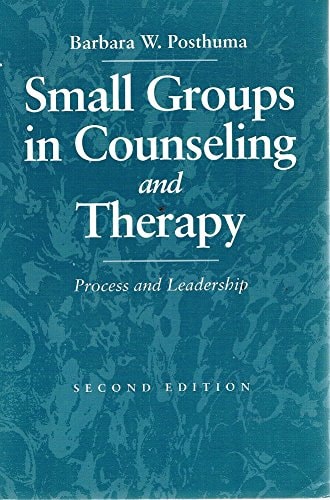
This text provides broad coverage within a thematic framework that helps students gain insight into how groups work. In addition to balanced coverage of key groups theories and skills, the text takes a full chapter to focus on psychoeducational groups. Students will benefit from carefully constructed pedagogy that encourages them to reflect, interpret, and develop their own ideas about how groups function. The coverage of theory is made interesting through the personal insights and reflections of the author. Clear and vivid language, as well as literary references, personal disclosure, and vibrant examples help to effectively present material, promote understanding, and engage students. To further enhance the learning experience, transcripts of group interactions throughout the text provide a realistic view of a group setting. These sessions can be viewed in their entirety on the accompanying video. Reflections ask students to relate what they read to their own lives. These important learning components appear regularly throughout the text. Discussion ideas promote classroom interaction and can be used as study group topics or for chapter analysis. Small Group Exercises include both experiential and role-play activities to encourage active learning and interaction in the classroom, lab, or study group. End-of-chapter pedagogy includes key terms, Chapter Review Question, and ideas for further reading.
Menrva's Summary
THE THESIS
This text investigates the dynamics and practical application of group work, focusing on theories, skills, and specific types of groups. The author, Susan X. Day, draws on personal insights and literary references to present complex material in an engaging manner, aiming to foster student understanding and critical thinking about how groups function. The book incorporates pedagogical elements such as transcripts of group interactions, reflective exercises, discussion prompts, and small group activities to enhance the learning experience and encourage active participation.
THE SCOPE MAP
- Coverage of key group theories and essential skills.
- A dedicated chapter focusing on psychoeducational groups.
- Transcripts of group interactions to illustrate real-world scenarios.
- Reflective exercises prompting students to connect concepts to their own lives.
- Discussion ideas designed to promote classroom interaction and analysis.
- Experiential and role-play activities for active learning.
- End-of-chapter features including key terms, review questions, and further reading suggestions.
THE AUTHORITY PERSPECTIVE
The book is structured to provide students with a comprehensive understanding of group dynamics, balancing theoretical foundations with practical application. Its pedagogical approach emphasizes active learning and personal reflection, suggesting it is designed for students in fields such as psychology, counseling, or social work. The inclusion of real-life examples and interactive exercises indicates an aim to make the subject matter accessible and engaging for learners.
Page Count:
462
Publication Date:
2007-01-01
Publisher:
Lahaska Press
ISBN-10:
0618382488
ISBN-13:
9780618382484
Psychology
Non-Fiction
Counseling
Group Dynamics
Community Tags
Similar Books