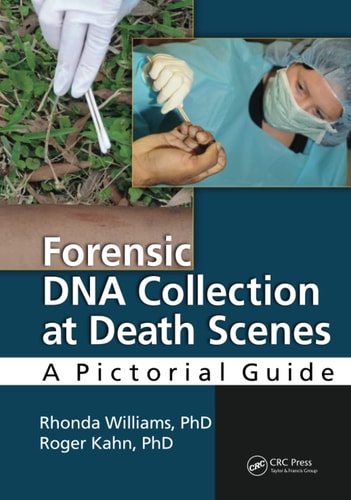
Forensic DNA Collection at Death Scenes: A Pictorial Guide
0
0
As an Amazon Associate and affiliate partner, Menrva Books earns from qualifying purchases. Learn more
Author Description
DNA evidence collected from death scenes is an essential tool for law enforcement, death investigators, and forensic pathologists providing insights into cause and manner of death as well as the identification of the responsible person or persons. Ineffective collection procedures raise the risk of evidence being altered or lost during transportation of the body. Using real death scene photos and actual cases as examples, Forensic DNA Collection at Death Scenes: A Pictorial Guide provides a practical approach to evidence collection with emphasis on proper identification, collection, documentation, and preservation. The first atlas of its kind, it demonstrates best practices for collecting DNA from decedents depending on the circumstances of the death scene and other materials present on the decedent such as clothing, bindings, and other objects. The authors discuss the success of the techniques employed in each scenario and analyze the DNA results obtained. The techniques employed at death scenes can also be applied to sexual assault cases, where DNA is collected from the body after an assault takes place. The increasing applications of evidence-based medicine and forensic science to criminal justice and civil litigation demand that crime scene investigations be more scientific, better organized, and multidisciplinary. This atlas provides a step-by-step guide to effective, uncompromising evidence collection.
Menrva's Summary
THE THESIS
This pictorial guide addresses the critical need for effective DNA evidence collection at death scenes. The book, authored by experts Rhonda Williams PhD F-ABC and Roger Kahn PhD. F-ABC, provides a practical, step-by-step approach to evidence collection, emphasizing proper identification, collection, documentation, and preservation. It utilizes real death scene photos and actual cases to demonstrate best practices for collecting DNA from decedents, considering various circumstances and materials present. The authors analyze the success of techniques and the resulting DNA evidence, also noting applicability to sexual assault cases.
THE SCOPE MAP
- Real death scene photos and actual cases as examples
- Practical approach to evidence collection
- Emphasis on proper identification, collection, documentation, and preservation
- Best practices for collecting DNA from decedents based on scene circumstances
- Techniques for collecting DNA from clothing, bindings, and other objects on the decedent
- Discussion of technique success and analysis of DNA results
- Application of techniques to sexual assault cases
THE AUTHORITY PERSPECTIVE
This atlas is designed as a scientific and multidisciplinary guide for professionals involved in criminal justice and civil litigation. It aims to improve the rigor and organization of crime scene investigations by providing clear, visual instruction on forensic DNA collection. The book's focus on evidence-based medicine and forensic science suggests it is intended for practitioners seeking to enhance their investigative techniques and ensure the integrity of crucial evidence.
Page Count:
175
Publication Date:
2017-09-14
Publisher:
Taylor & Francis Group
ISBN-10:
1138426717
ISBN-13:
9781138426719
Science
Non-Fiction
Pathology
Forensic Science
Law Enforcement
Community Tags
Similar Books