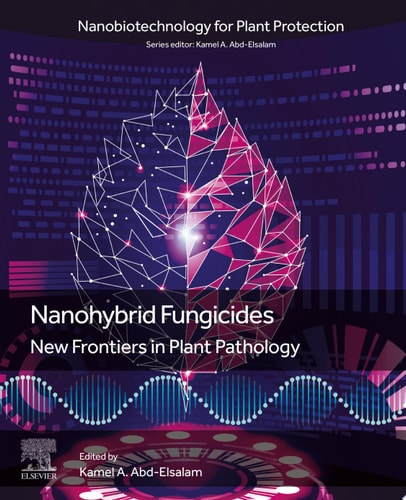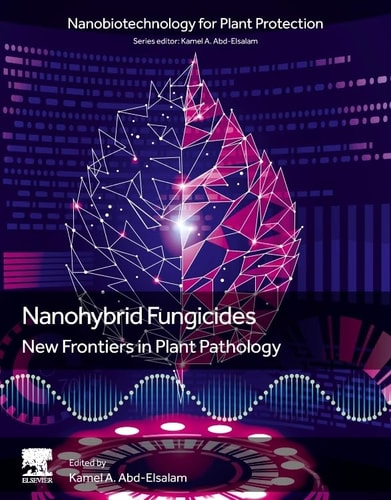
Nanohybrid Fungicides: New Frontiers in Plant Pathology
0
0
As an Amazon Associate and affiliate partner, Menrva Books earns from qualifying purchases. Learn more
Author Description
Nanohybrid Fungicides: New Frontiers in Plant Pathology addresses new nanohybrid fungicides and the opportunities that nanoagrochemicals can provide. Organized into two parts, this book addresses the types of nanohybrid fungicides and general applications, commercialization, and remediation. Furthermore, nanohybrid fungicides represent an exciting new frontier in plant pathology. Their ability to enhance the efficacy of conventional fungicides, boost plant defense mechanisms, and reduce environmental impact makes them a promising tool for sustainable disease management in agriculture. Further research and development are necessary to overcome the existing challenges and fully harness the potential of nanohybrid. Plant scientists, plant pathologists, agriculture and food scientists, and professionals and students working in related fields will all benefit from this timely resource.
Menrva's Summary
THE THESIS
This book investigates the emerging field of nanohybrid fungicides and their potential to revolutionize plant disease management. It explores the types of nanohybrid fungicides, their general applications, commercialization pathways, and remediation strategies. The work highlights how these advanced materials can enhance conventional fungicide efficacy, bolster plant defense systems, and reduce environmental impact, positioning them as crucial tools for sustainable agriculture. Further research is emphasized to address current challenges and fully realize the benefits of nanohybrid fungicides.
THE SCOPE MAP
- Types of nanohybrid fungicides
- General applications of nanohybrid fungicides
- Commercialization of nanohybrid fungicides
- Remediation strategies for nanohybrid fungicides
- Enhancement of conventional fungicide efficacy
- Boosting plant defense mechanisms
- Reducing environmental impact in agriculture
- Future research and development needs
THE AUTHORITY PERSPECTIVE
This book is positioned as a timely resource for professionals and students in plant pathology, agriculture, and related scientific fields. Its focus on nanohybrid fungicides addresses a new frontier in disease management, offering insights into enhanced efficacy and reduced environmental impact. The content is structured to cover both the technical aspects of these compounds and their practical application and commercialization. The work suggests that continued research is vital to overcome existing hurdles and fully leverage the potential of nanohybrid technologies in agriculture.
Page Count:
510
Publication Date:
2023-11-21
Publisher:
Elsevier Science
ISBN-10:
0443239509
ISBN-13:
9780443239502
Non-Fiction
Science
Plant Pathology
Nanotechnology
Community Tags
Similar Books