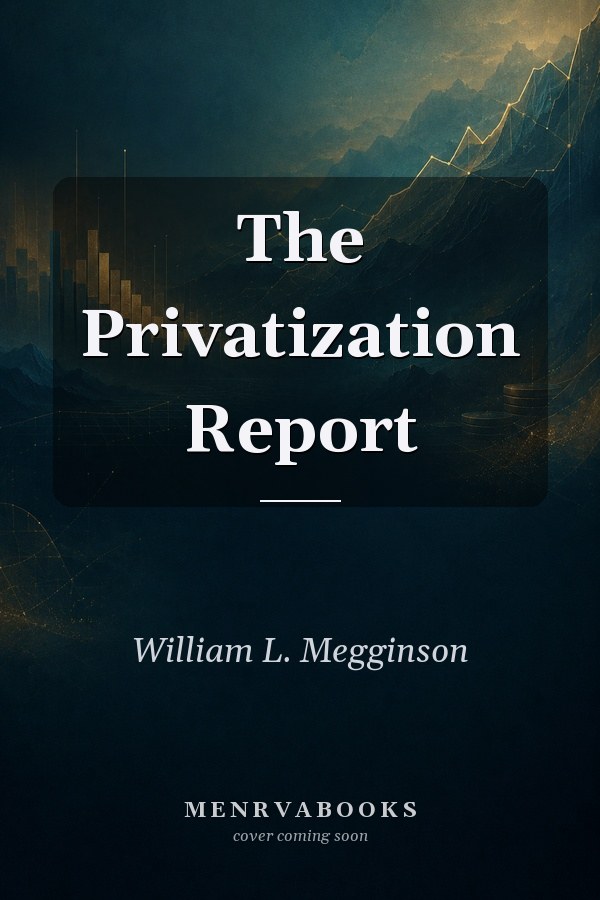
Jointly Optimal Monetary and Fiscal Policy Rules under Borrowing Constraints
0
0
As an Amazon Associate and affiliate partner, Menrva Books earns from qualifying purchases. Learn more
Author Description
We study the welfare properties of an economy where both monetary and fiscal policy follow simple rules, and where a subset of agents is borrowing constrained. The optimized fiscal rule is far more aggressive than automatic stabilizers, and stabilizes the income of borrowingconstrained agents, rather than output. The optimized monetary rule features super-inertia and a very low coefficient on inflation, which minimizes real wage volatility. The welfare gains of optimizing the fiscal rule are far larger than the welfare gains of optimizing the monetary rule. The preferred fiscal instruments are government spending and transfers targeted to borrowing-constrained agents.
Menrva's Summary
THE THESIS
This paper investigates the welfare implications of an economic model incorporating both monetary and fiscal policy rules, with a specific focus on agents facing borrowing constraints. The study analyzes the behavior of these policies, revealing that the optimized fiscal rule is significantly more aggressive than typical automatic stabilizers and prioritizes stabilizing the income of constrained agents over overall output. The optimized monetary rule exhibits considerable inertia and a low coefficient on inflation, aimed at minimizing real wage volatility. The research concludes that optimizing the fiscal rule yields substantially larger welfare gains compared to optimizing the monetary rule, with government spending and targeted transfers to constrained agents being the preferred fiscal instruments.
THE SCOPE MAP
- Analysis of an economy with joint monetary and fiscal policy rules.
- Inclusion of borrowing-constrained agents within the economic model.
- Characterization of an aggressive, optimized fiscal rule.
- Identification of income stabilization for borrowing-constrained agents as a key fiscal objective.
- Description of an optimized monetary rule with super-inertia and low inflation responsiveness.
- Quantification of welfare gains from optimizing fiscal versus monetary rules.
- Evaluation of government spending and targeted transfers as preferred fiscal instruments.
THE AUTHORITY PERSPECTIVE
This academic paper presents a rigorous analysis of monetary and fiscal policy interactions under specific economic conditions. The findings suggest a significant divergence between optimized and conventional policy rules, particularly concerning the stabilization of borrowing-constrained agents. The research highlights the substantial welfare benefits derived from fiscal policy optimization, offering clear recommendations for policy instruments. The study's detailed modeling and comparative analysis of policy effectiveness provide a valuable contribution to macroeconomic policy research.
Page Count:
39
Publication Date:
2009-12-01
Publisher:
International Monetary Fund
ISBN-10:
1451874316
ISBN-13:
9781451874310
Non-Fiction
Economics
Finance
Policy
Community Tags
Similar Books