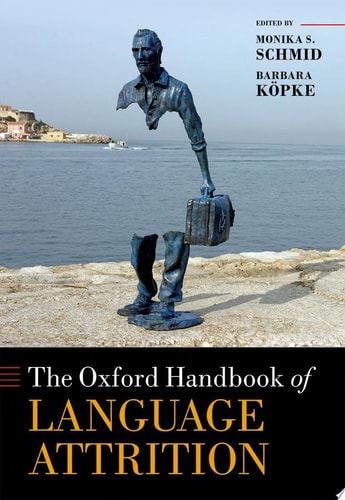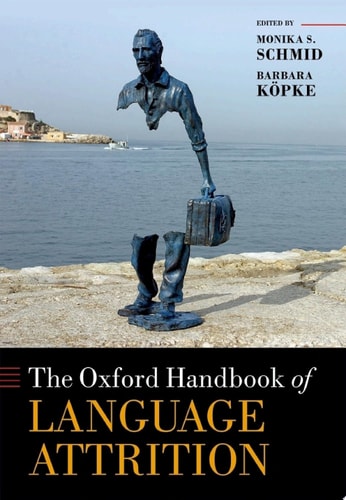
The Oxford Handbook of Language Attrition
0
0
As an Amazon Associate and affiliate partner, Menrva Books earns from qualifying purchases. Learn more
Author Description
This volume is the first handbook dedicated to language attrition, the study of how a speaker's language may be affected by crosslinguistic interference and non-use. The effects of language attrition can be felt in all aspects of language knowledge, processing, and production, and can offer unique insights into the mind of bilingual language users. In this book, international experts in the field explore a comprehensive range of topics in language attrition, examining its theoretical implications, psycho- and neurolinguistic approaches, linguistic and extralinguistic factors, L2 attrition, and heritage languages. The chapters summarize current research and draw on insights from related fields such as child language development, language contact, language change, pathological developments, and second language acquisition.
Menrva's Summary
THE THESIS
This volume investigates the mechanisms and theoretical implications of language attrition, specifically focusing on how language knowledge and processing are altered by non-use and crosslinguistic interference. Edited by Barbara Köpke and Monika S. Schmid, the handbook compiles contributions from international experts to synthesize current research. It provides a structured framework for understanding the cognitive and linguistic factors that influence the erosion of a speaker's language proficiency over time.
THE SCOPE MAP
What You Will Find
- Theoretical frameworks regarding L2 attrition and heritage language maintenance
- Psycho- and neurolinguistic methodologies for measuring language loss
- Comparative analysis with child language development and pathological language change
Scope Limits
- Does not provide a singular, unified theory of attrition, as the field remains highly diverse and multifaceted
- Does not focus on pedagogical strategies for language preservation, prioritizing descriptive and analytical research instead
THE AUTHORITY PERSPECTIVE
Experts recognize this volume as a foundational reference text that successfully consolidates a previously fragmented field of study. Readers frequently note the academic density of the prose, which is intended for researchers and advanced students of linguistics.
Page Count:
653
Publication Date:
2019-01-01
Publisher:
OUP Oxford
ISBN-10:
0192512196
ISBN-13:
9780192512192
Psycholinguistics
Bilingualism
Academic
English
English & College Success
Reference
Linguistics