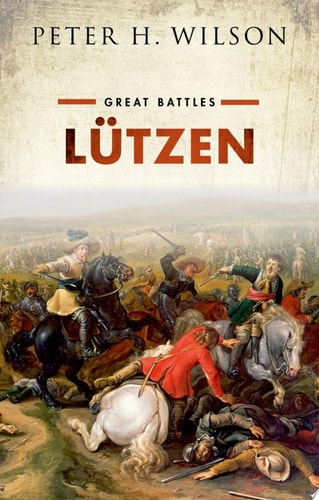
Lützen
0
0
As an Amazon Associate and affiliate partner, Menrva Books earns from qualifying purchases. Learn more
Author Description
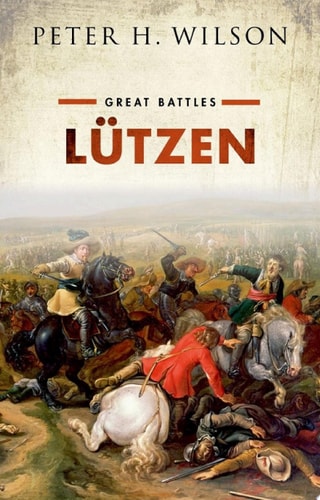
The Thirty Years' War (1618-48) Was Europe's Most Destructive Conflict Prior To The Two World Wars. Two Of European History's Greatest Generals Faced Each Other At Lützen In November 1632, Mid-way Through This Terrible War. Neither Achieved His Objective. Albrecht Von Wallenstein Withdrew His Battered Imperial Army At Nightfall, Unaware That His Opponent, King Gustavus Adolphus Of Sweden, Had Died A Few Hours Earlier. The Indecisive Military Outcome Found An Immediate Echo In Image And Print, And Became The Object Of Political And Historical Disputes. Swedish Propaganda Swiftly Fostered The Lasting Image Of The King's Sacrifice For The Protestant Cause Against The Spectre Of Catholic Habsburg 'universal Monarchy'. The Standard Assumption That The King Had 'met His Death In The Hour Of Victory' Became Integral To How Gustavus Adolphus's Contribution To Modern Warfare Has Been Remembered, Even Celebrated, While The Study Of Lützen's Wider Legacy Shows How Such Events Are Constantly Rewritten As Elements Of Propaganda, Religious And National Identity, And Professional Military Culture. The Battle's Religious And Political Associations Also Led To Its Adoption As A Symbol By Those Advocating German Unification Under Prussian Leadership. The Battlefield Remains A Place Of Pilgrimage To This Day And A Site For The Celebration Of Protestant German And Nordic Culture. This Book Is The First To Combine Analysis Of The Battle Itself With An Assessment Of Its Cultural, Political And Military Legacy, And The First To Incorporate Recent Archaeological Research Within A Reappraisal Of The Events And Their Significance. It Challenges The Accepted View That Lützen Is A Milestone In Military Development, Arguing Instead That Its Impact Was More Significant On The Cultural And Political Level.
Menrva's Summary
THE THESIS
This book investigates the historical significance of the 1632 Battle of Lützen by analyzing the intersection of military engagement, political propaganda, and long-term cultural memory. Peter H. Wilson, a specialist in the history of the Holy Roman Empire and the Thirty Years' War, utilizes a combination of archival records, contemporary accounts, and modern archaeological findings to challenge the traditional narrative that positions Lützen as a decisive milestone in the evolution of modern warfare. The author argues that the battle's true impact lies in its role as a symbolic construct used to shape national, religious, and military identities across centuries.
THE SCOPE MAP
What You Will Find
- Detailed tactical analysis of the engagement between Gustavus Adolphus and Albrecht von Wallenstein.
- Examination of the immediate propaganda campaigns launched by Swedish and Imperial forces.
- Integration of recent archaeological data from the battlefield site.
- Analysis of the battle's role in 19th-century German unification movements.
Scope Limits
- The text does not provide a comprehensive military history of the entire Thirty Years' War.
- It does not focus on the personal biographies of the commanders beyond their roles at Lützen.
THE AUTHORITY PERSPECTIVE
Historians and military scholars recognize this work as a rigorous re-evaluation that successfully separates the myth of the battle from its actual tactical outcomes. Readers frequently note the academic density of the prose and the author's meticulous attention to the historiography of the conflict.
Page Count:
256
Publication Date:
2018-01-01
Publisher:
Oxford University Press
ISBN-10:
0192528041
ISBN-13:
9780192528049
History
Thirty Years War
European History
Military History
Battle Studies
Community Tags
Similar Books