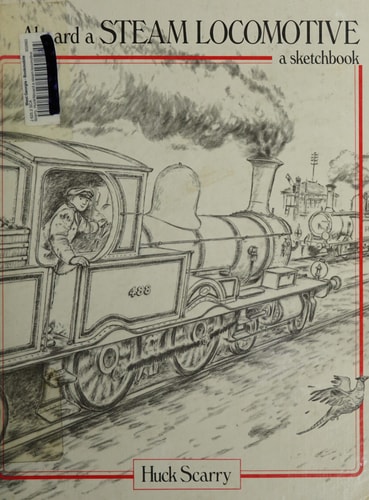
American Practice in Block Signaling With Descriptions and Drawings of the Different Systems in Use On Railroads in the United States
0
0
As an Amazon Associate and affiliate partner, Menrva Books earns from qualifying purchases. Learn more
Author Description
This work has been selected by scholars as being culturally important, and is part of the knowledge base of civilization as we know it. This work was reproduced from the original artifact, and remains as true to the original work as possible. Therefore, you will see the original copyright references, library stamps (as most of these works have been housed in our most important libraries around the world), and other notations in the work. This work is in the public domain in the United States of America, and possibly other nations. Within the United States, you may freely copy and distribute this work, as no entity (individual or corporate) has a copyright on the body of the work. As a reproduction of a historical artifact, this work may contain missing or blurred pages, poor pictures, errant marks, etc. Scholars believe, and we concur, that this work is important enough to be preserved, reproduced, and made generally available to the public. We appreciate your support of the preservation process, and thank you for being an important part of keeping this knowledge alive and relevant.
Menrva's Summary
THE THESIS
This work investigates the evolution and implementation of block signaling systems across American railroads during a pivotal era of railway expansion and technological development. Authored by Railway Age, a publication with deep ties to the industry, this book draws upon contemporary accounts, technical specifications, and operational data from the period. It presents a comprehensive overview of the various mechanical and electrical signaling methods employed, detailing their underlying principles, practical applications, and the challenges faced in their widespread adoption. The central argument focuses on how these systems improved safety and efficiency, fundamentally shaping modern railway operations.
THE SCOPE MAP
- Detailed descriptions and drawings of different block signaling systems used on U.S. railroads.
- Analysis of the historical context and development of these signaling technologies.
- Examination of the operational principles and practical implementation of various systems.
- Insights into the challenges and advancements in railway safety and efficiency through signaling.
THE AUTHORITY PERSPECTIVE
This work is recognized as a foundational text in the study of railroad engineering and history, valued for its direct documentation of early American signaling practices. Its reproduction from original artifacts ensures fidelity to the historical record, making it an important resource for scholars and enthusiasts alike. The text's preservation is considered crucial for understanding the technological underpinnings of the railroad industry's development.
Page Count:
88
Publication Date:
2015-08-31
Publisher:
Creative Media Partners, LLC
ISBN-10:
1340613166
ISBN-13:
9781340613167
History
Science & Technology
Non-Fiction
Railroad History
Engineering
Transportation History
Community Tags
Similar Books