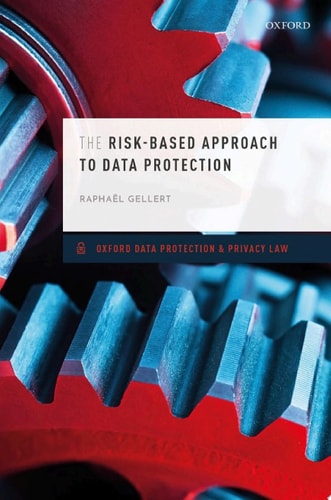
The Risk-based Approach to Data Protection
0
0
As an Amazon Associate and affiliate partner, Menrva Books earns from qualifying purchases. Learn more
Author Description
The concept of a risk-based approach to data protection came to the fore during the overhaul process of the EU's General Data Protection Regulation (GDPR). At its core, it consists of endowing the regulated organizations that process personal data with increased responsibility for complying with data protection mandates. Such increased compliance duties are performed through risk management tools. This book provides a comprehensive analysis of this legal and policy development, which considers a legal, historical, and theoretical perspective. By framing the risk-based approach as a sui generis implementation of a specific regulation model known as meta regulation, this book provides a recollection of the policy developments that led to the adoption of the risk-based approach in light of regulation theory and debates. It also discusses a number of salient issues pertaining to the risk-based approach, such as its rationale, scope, and meaning; the role for regulators; and its potential and limits. The book also looks at they way it has been undertaken in major statutes with a focus on key provisions, such as data protection impact assessments or accountability. Finally, the book devotes considerable attention to the notion of risk. It explains key terms such as risk assessment and management. It discusses in-depth the role of harms in data protection, the meaning of a data protection risk, and the difference between risks and harms. It also critically analyses prevalent data protection risk management methodologies and explains the most important caveats for managing data protection risks.
Menrva's Summary
THE THESIS
This book investigates the theoretical and practical implications of the risk-based approach to data protection within the framework of the European Union's General Data Protection Regulation (GDPR). Author Raphaël Gellert, a legal scholar, examines the shift toward meta-regulation, where organizations are tasked with managing their own compliance through risk assessment tools. The work provides a historical and legal analysis of how this model functions, questioning its efficacy, scope, and the conceptual distinction between risks and harms in the digital landscape.
THE SCOPE MAP
What You Will Find
- A theoretical framework defining the risk-based approach as a form of meta-regulation.
- An analysis of key GDPR provisions including accountability and data protection impact assessments.
- A detailed breakdown of risk management methodologies and terminology.
Scope Limits
- The analysis is primarily focused on the EU regulatory context and may not cover specific implementation nuances in other jurisdictions.
- The text does not serve as a practical compliance manual for non-legal professionals.
THE AUTHORITY PERSPECTIVE
Experts identify this work as a rigorous academic examination of the intersection between regulation theory and data privacy law. Readers frequently note the dense, scholarly nature of the prose, which is best suited for legal professionals and policy researchers.
Page Count:
304
Publication Date:
2020-01-01
Publisher:
Oxford University Press
ISBN-10:
0192574736
ISBN-13:
9780192574732
Law
Data privacy
Regulation
Information Security