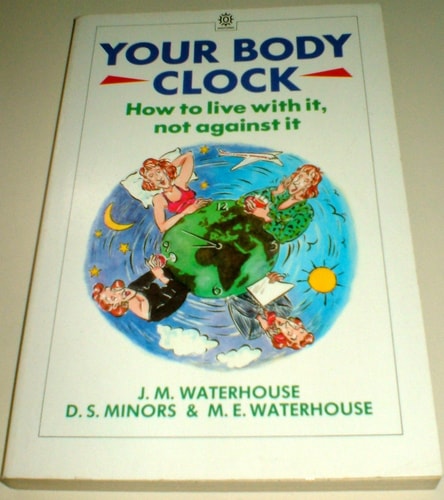
Your Body Clock
0
0
As an Amazon Associate and affiliate partner, Menrva Books earns from qualifying purchases. Learn more
Author Description
How can jet-lag be minimized? Why are some people "nightowls" and others are not? How do babies develop a 24-hour body clock? How is the body clock affected by aging? These are some of the perplexing questions addressed by this fascinating new book. We all have an internal "clock" that controls how we feel, our mental and physical performance, and whether we are active or asleep. This is nature's response to our rhythmic environment, which is dominated by the sun, light, and dark. The body normally adjusts to daytime activity and night-time sleep, but changes in our lifestyles can deceive the body clock and produce some forms of insomnia or depression. Night-shift laborers, nurses, and long-distance travelers frequently experience malaise or jet lag in response to body clock confusion. In non-technical language, this intriguing, authoritative volume covers all aspects of the body's daily cycles. It gives advice for travelers and night-workers as well as for everyday living, so that we can all live with - and not against - our body clocks, and reduce the problems caused by the clashes between lifestyle and internal cycles. The authors explore the role of the body clock in illness, and how it should be considered in the daily timing of medical treatment. Tests and quizzes are provided at the end of each chapter to help readers understand their own body clocks. This thought-provoking volume will interest physicians and biologists, as well as students, workers and travelers concerned with their own biorhythms.
Menrva's Summary
THE THESIS
This volume investigates the mechanisms of the human circadian system and how internal biological rhythms interact with external environmental demands. The authors, D. S. Minors, J. M. Waterhouse, and M. E. Waterhouse, utilize physiological research and chronobiological data to explain how the body regulates sleep, performance, and health. The text provides a framework for understanding how lifestyle choices, such as shift work and travel, influence these internal cycles and offers strategies for mitigating the resulting physiological disruptions.
THE SCOPE MAP
What You Will Find
- Analysis of circadian rhythms in relation to light, dark, and environmental cues
- Practical advice for managing jet lag and shift work fatigue
- Discussion on the impact of aging and development on biological timing
- Self-assessment tests and quizzes for personal rhythm evaluation
Scope Limits
- Does not provide clinical medical prescriptions for sleep disorders
- Focuses primarily on general biological principles rather than advanced molecular genetics
THE AUTHORITY PERSPECTIVE
Experts recognize this work as a clear and accessible introduction to the field of chronobiology for non-specialists. Readers frequently note that the inclusion of practical quizzes makes the dense biological information highly applicable to daily life.
Page Count:
176
Publication Date:
1990-12-13
Publisher:
Oxford University Press
ISBN-10:
0192619829
ISBN-13:
9780192619822
Psychology
Health
Science
Self Help
Biology
Community Tags
Similar Books