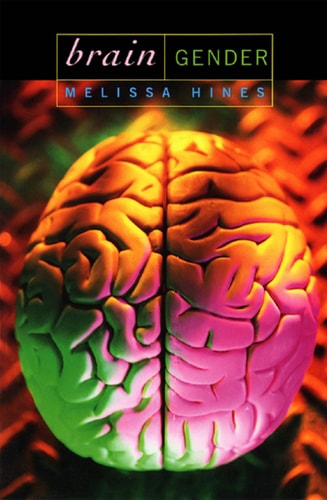
Brain Gender
0
0
As an Amazon Associate and affiliate partner, Menrva Books earns from qualifying purchases. Learn more
Author Description
Do biological factors, such as gonadal hormones, determine our sexual destiny after our genes are in place? Do they make men aggressive, or women nurturing? Do they cause boys and girls to play differently or to have different interests? Do they explain differences in sexual orientation within each sex group? Do they contribute to the preponderance of men in science or women at home? Scientists working from a psychosocial perspective would answer these questions differently than those working from a behavioral neuroscience or neuroendocrinological perspective. This book brings both of these perspectives to bear on the questions, tracing the factors that influence the brain, beginning with testosterone and other hormones during prenatal life, and continuing through changing life situations and experiences that can sculpt the brain and its activity, even in adulthood. This influence has important implications for understanding the social roles of men and women in society, the different educational and emotional issues that confront males and females, the legal rights of those whose sexual orientation or gender identity do not correspond to norms, and even standards of clinical care for people born with physical intersex conditions that make it difficult to classify a person as male or female at birth. This original and accessible book will be of interest to psychologists, neuroscientists, pediatricians, and educators, as well as the general public. It is also suitable for use in graduate and undergraduate courses on the psychology of gender or on hormones and behavior.
Menrva's Summary
THE THESIS
This book investigates the extent to which biological factors, particularly gonadal hormones, influence human gender-related behaviors, interests, and social roles. Melissa Hines, a researcher in behavioral neuroscience and neuroendocrinology, synthesizes biological data with psychosocial perspectives to examine how prenatal hormonal exposure and subsequent life experiences interact to shape the brain. The work argues that understanding these complex interactions is critical for addressing societal, educational, and clinical questions regarding gender identity and sexual orientation.
THE SCOPE MAP
What You Will Find
- Analysis of prenatal hormonal influences on brain development
- Comparison of psychosocial and neuroendocrinological research frameworks
- Examination of gender differences in behavior, interests, and social roles
- Discussion of clinical implications for intersex conditions and gender identity
Scope Limits
- Does not provide a definitive biological reductionist explanation for all gendered behavior
- Does not focus exclusively on social constructionist theories without biological context
THE AUTHORITY PERSPECTIVE
Experts and academics frequently cite this work as a balanced, foundational text for understanding the intersection of biology and gender. Readers note the clarity of the prose, which makes complex neuroendocrinological concepts accessible to both students and the general public.
Page Count:
323
Publication Date:
2005-01-01
Publisher:
Oxford University Press
ISBN-10:
0190293306
ISBN-13:
9780190293307
Psychology
Biology
Gender Studies
Endocrinology
Medical
Sociology
Allied Health
Neuroscience