Street Food: Hawkers and the History of London
0
0
As an Amazon Associate and affiliate partner, Menrva Books earns from qualifying purchases. Learn more
Author Description
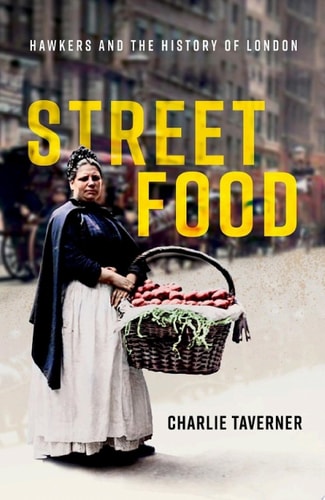
This is the story of the women, men, boys, and girls who hawked oysters, cherries, cabbages, and pies on London's streets, feeding the capital throughout its transformation from medieval city to global metropolis. Street Food reconstructs the working lives of these poor traders, following them from the back alleys and cramped rooms they called home, to the taverns, bridges, and corners where they set up shop. It describes fast-moving food chains, heaving markets, rumbling wheelbarrows, scruffy donkeys, rushing traffic, and advertising cries that echoed through the city. The first long-term, comprehensive history of street selling in London, the book explores the intricacies of hawkers' work and their profound social, economic, and cultural importance to metropolitan life between the late sixteenth and early twentieth centuries. Based on the largest collection of archival and published evidence to date, it not only highlights the crucial roles street sellers played in fuelling the capital's expansion, but argues that their endurance over three centuries raises challenging questions about major narratives and processes of urban history, like modernization, the rise of retail, and the improvement of the streets. And it examines why the street food of the past-like the continuing vitality of street vendors around the world - is so different to the fashionable street food ubiquitous across London today.
Menrva's Summary
THE THESIS
How did the marginalized street hawkers of London shape the city's development from a medieval hub into a global metropolis? Charlie Taverner, a historian specializing in urban life, utilizes an extensive collection of archival evidence to reconstruct the daily existence of street vendors. He argues that these individuals were not merely peripheral figures but central actors in the economic and social expansion of London, challenging traditional narratives regarding modernization and urban retail history.
THE SCOPE MAP
What You Will Find
- A comprehensive historical analysis of street selling in London from the late sixteenth to the early twentieth centuries.
- Examination of the logistical networks, supply chains, and social environments of hawkers.
- Comparative analysis between historical street food practices and contemporary urban food culture.
Scope Limits
- The study focuses primarily on London and does not provide a global comparative history of street vending.
- The analysis concludes in the early twentieth century, excluding the most recent developments in modern food truck culture.
THE AUTHORITY PERSPECTIVE
Historians and urban scholars recognize this work as a significant contribution to the social history of London, noting its meticulous use of archival data. Readers frequently highlight the depth of research provided, which effectively shifts the focus from elite retail history to the lived experiences of the urban poor.
Page Count:
336
Publication Date:
2022-01-01
Publisher:
OUP Oxford
ISBN-10:
0192662449
ISBN-13:
9780192662446
Economics
History
Social History
Special Topics
Food History
Urban Studies
London History
Manners and customs
Community Tags
Similar Books