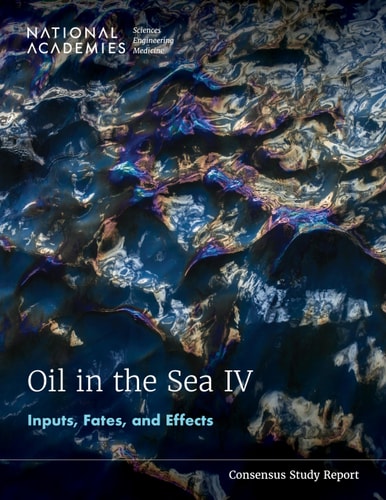
Oil in the Sea IV: Inputs, Fates, and Effects
0
0
As an Amazon Associate and affiliate partner, Menrva Books earns from qualifying purchases. Learn more
Author Description
Oil and natural gas represent more than 50 percent of the worldwide energy supply, with high energy demand driven by population growth and improving standards of living. Despite significant progress in reducing the amount of oil in the sea from consumption, exploration, transportation, and production, risks remain. This report, the fourth in a series, documents the current state-of-knowledge on inputs, fates and effects of oil in the sea, reflecting almost 20 additional years of research, including long-term effects from spills such as the Exxon Valdez and a decade-long boom in oil spill science research following the Deepwater Horizon oil spill. The report finds that land-based sources of oil are the biggest input of oil to the sea, far outweighing other sources, and it also notes that the effects of chronic inputs on the marine environment, such as land-based runoff, are very different than that from an acute input, such as a spill. Steps to prevent chronic land-based oil inputs include reducing gasoline vehicle usage, improving fuel efficiency, increasing usage of electric vehicles, replacing older vehicles. The report identifies research gaps and provides specific recommendations aimed at preventing future accidental spills and ensuring oil spill responders are equipped with the best response tools and information to limit oil's impact on the marine environment.
Menrva's Summary
THE THESIS
The persistent challenge of oil pollution in the world's oceans demands a comprehensive update on current scientific understanding and future mitigation strategies. This report, the fourth in its series, synthesizes nearly two decades of research on the inputs, fates, and effects of oil in marine environments. It highlights that land-based sources constitute the largest input of oil into the sea, with chronic, low-level contamination posing distinct threats compared to acute spills. The authors, from the National Academies of Sciences, Engineering, and Medicine, provide specific recommendations for preventing future spills and improving response capabilities, informed by extensive research following major incidents like the Deepwater Horizon spill.
THE SCOPE MAP
- Analysis of oil inputs from consumption, exploration, transportation, and production, with a focus on land-based sources.
- Detailed examination of the environmental fates of oil in marine ecosystems, considering both acute spills and chronic pollution.
- Assessment of the long-term and chronic effects of oil on marine life and environments.
- Identification of critical research gaps and future research priorities.
- Specific recommendations for preventing accidental spills and enhancing oil spill response tools and information.
- Insights drawn from major oil spill events, including the Exxon Valdez and Deepwater Horizon.
THE AUTHORITY PERSPECTIVE
This report is a crucial update for policymakers, scientists, and industry professionals concerned with marine environmental protection. It builds upon decades of research, offering a synthesized view of the current state of knowledge regarding oil pollution in the sea. The findings emphasize the significant contribution of land-based sources and the distinct impacts of chronic versus acute oil inputs. The detailed recommendations aim to guide future efforts in spill prevention and response, reflecting the latest scientific advancements.
Page Count:
516
Publication Date:
2023-01-22
Publisher:
National Academies Press
ISBN-10:
030927429X
ISBN-13:
9780309274296
Science
Non-Fiction
Marine Biology
Energy policy
Community Tags
Similar Books