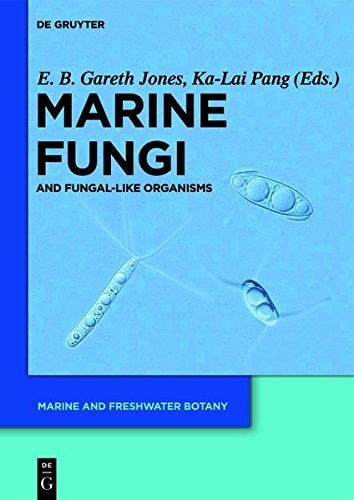
Marine Fungi And Fungal-Like Organisms
0
0
As an Amazon Associate and affiliate partner, Menrva Books earns from qualifying purchases. Learn more
Author Description
Understanding how higher fungi with their spectrum of cellulolytic and ligninolytic enzymes degrade wood tissue, while labyrinthuloids and thraustochytrids further contribute to the dissolved organic matter entering the open ocean is essential to marine ecology. This work provides an overview of marine fungi including morphology and ultrastructure, phylogeny and biogeography. Biotechnology is also turning to these organisms to develop new bioactive compounds and to address problems such as decomposition of materials in the ocean and bioremediation of oil spills.
Menrva's Summary
THE THESIS
The degradation of organic matter in marine environments by fungi and fungal-like organisms is a critical process for marine ecology and biogeochemical cycles. This book examines the morphology, ultrastructure, phylogeny, and biogeography of marine fungi, including higher fungi, labyrinthuloids, and thraustochytrids. It highlights their essential roles in breaking down wood tissue and contributing to dissolved organic matter in the open ocean. Furthermore, the text explores the biotechnological applications of these organisms in developing new bioactive compounds, addressing material decomposition, and aiding in bioremediation efforts.
THE SCOPE MAP
- Overview of marine fungi and fungal-like organisms
- Detailed morphology and ultrastructure
- Phylogenetic analysis and biogeographical distribution
- Enzymatic degradation of wood tissue (cellulolytic and ligninolytic enzymes)
- Role of labyrinthuloids and thraustochytrids in organic matter cycling
- Biotechnological applications: bioactive compounds
- Biotechnological applications: material decomposition
- Biotechnological applications: bioremediation of oil spills
THE AUTHORITY PERSPECTIVE
This work is presented as a comprehensive overview of marine fungi and their ecological significance. The text emphasizes both the fundamental biological processes of decomposition and the emerging biotechnological potential of these organisms. It aims to inform researchers and practitioners about the crucial roles these microbes play in marine ecosystems and their utility in various industrial and environmental applications.
Page Count:
528
Publication Date:
2012-09-04
Publisher:
Walter De Gruyter Incorporated
ISBN-10:
3119166898
ISBN-13:
9783119166898
Science
Non-Fiction
Biodegradation
Marine Biology
Biotechnology
Ecology
Mycology
Community Tags
Similar Books