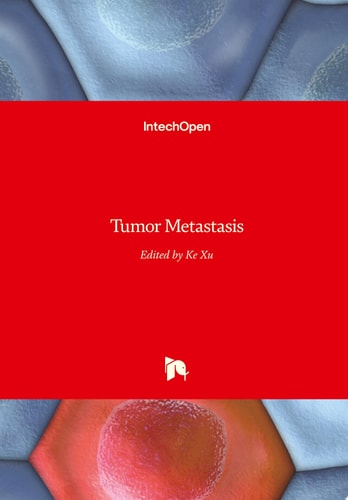
Tumor Metastasis
0
0
As an Amazon Associate and affiliate partner, Menrva Books earns from qualifying purchases. Learn more
Author Description
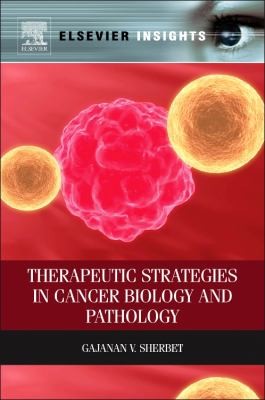
Malignancy arises and progresses in tight association with changes in the tumor microenvironment and deregulation of hemostatic system. Cancer induces hemostatic imbalance through production and secretion of procoagulant substances, suppression of anticoagulant mechanisms, endothelial activation, and angiogenic switch. Cancer cells are equipped with certain coagulation signaling receptors such as tissue factor (TF) and urokinase plasminogen activator receptor (uPAR). Tissue factor: as major initiator of coagulation, TF is considered the main cause for hypercoagulability in cancer. Constitutive TF expression by cancer cells is a hallmark of malignancy rendering tumors proangiogenic and prometastatic. TF fosters metastasis through coagulation-dependent pathways leading to fibrin deposition in the evolving premetastatic niche. TF has been identified as an independent predictor for metastatic development and adverse prognosis. uPAR: Tissue overexpression of uPAR is demonstrated in almost all human cancers and is associated with advanced disease. Increased uPAR expression is driven by molecular events involving K-ras and SRC oncogenes. Transactivation of these receptors, mediated by binding to hemostatic proteins, activates intracellular signaling pathways, modulates gene expression and facilitates processes of tumor initiation, epithelial-to-mesenchymal transition, anoikis, and metastasis. By manipulating hemostatic processes, tumor induces tolerant host environment necessary for evasion of defense attacks, survival, and progression.
Menrva's Summary
THE THESIS
The progression of malignancy is intrinsically linked to alterations within the tumor microenvironment and the deregulation of the hemostatic system. Cancer cells actively induce hemostatic imbalance by producing procoagulant substances, suppressing natural anticoagulants, activating endothelial cells, and initiating an angiogenic switch. Key coagulation signaling receptors on cancer cells, such as tissue factor (TF) and urokinase plasminogen activator receptor (uPAR), play critical roles in fostering tumor growth, metastasis, and evasion of host defenses.
THE SCOPE MAP
- What You Will Find:
- The intricate relationship between malignancy and the tumor microenvironment.
- The mechanisms by which cancer induces hemostatic imbalance.
- The roles of tissue factor (TF) and urokinase plasminogen activator receptor (uPAR) in cancer progression.
- TF as a primary driver of hypercoagulability and its link to angiogenesis and metastasis.
- uPAR overexpression and its association with advanced disease and oncogenic pathways.
- How tumors manipulate hemostatic processes to create a tolerant host environment for immune evasion and survival.
THE AUTHORITY PERSPECTIVE
This book delves into the complex interplay between cancer progression and the body's clotting system. It details how malignant cells disrupt hemostasis through various mechanisms, highlighting the critical roles of tissue factor and uPAR. The text explains how these disruptions facilitate tumor growth, metastasis, and immune evasion, positioning the hemostatic system as a key factor in cancer's ability to thrive. The material suggests a focus on molecular mechanisms and their clinical implications for prognosis and treatment.
Page Count:
266
Publication Date:
2016-09-14
Publisher:
BoD – Books on Demand
ISBN-10:
953512630X
ISBN-13:
9789535126300
Science
Non-Fiction
Oncology
Cancer Biology
Pathology
Medical research